Victoria Sponge Recipe: Easy Classic British Cake
One of the most popular cake recipes in British baking is the Victoria Sponge Recipe. This classic cake is now popular for use in sweet jams and whipped cream or buttercream and for its light sponge layers. Easy to make, with common ingredients, and ideal for birthdays, afternoon tea, family dinners, or any special day.
The secret of a Victoria Sponge Recipe is that it’s easy. No more complicated techniques or fancy decorations. Instead, the cake’s fluffy and fresh with delicious tastes. With a few simple tips and good ingredients, even novice bakers can come up with a great loaf of bread. This Victoria Sponge Recipe is the ideal blend of sweet and soft for baked desserts, whether you’re entertaining or simply craving a dessert that everyone can enjoy! Buttery sponge, fruity jam, and creamy filling make for an elegant yet easy dessert. This classic recipe will more than likely become one of your top cakes to bake again and again. This guide will tell you all you need to know, from picking the right ingredients to baking, filling, decorating, and even storing your cake for the best results
What is a Victoria Sponge Recipe?
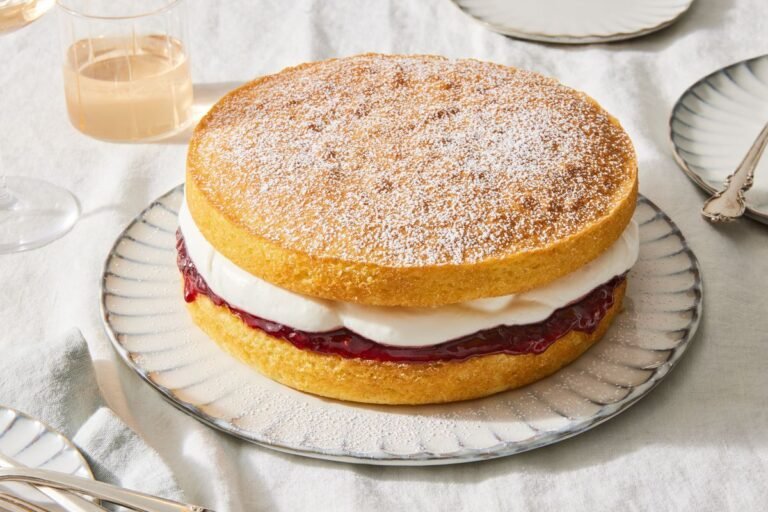
Victoria Sponge Recipe is also known as Victoria sandwich cake; it is a classic British cake recipe using two light sponge cake layers. The layers are typically made of strawberry or raspberry jam and freshly whipped cream or buttercream, and then gently layered. Icing sugar is sometimes sprinkled on top of the cake for a simple and elegant look. The cake is said to have gained popularity when Queen Victoria had a slice for her afternoon tea. It eventually evolved to become one of the most popular homemade cakes in Britain and is still popular in bakeries and households throughout the country. The Victoria sponge is not like rich chocolate cakes or cakes heavily frosted for a celebration; its aim is to be light and fresh. The sponge should be soft, moist, and airy, and the filling should not be too sweet, as it could overpower the cake.
Why You’ll Love This Victoria Sponge Recipe
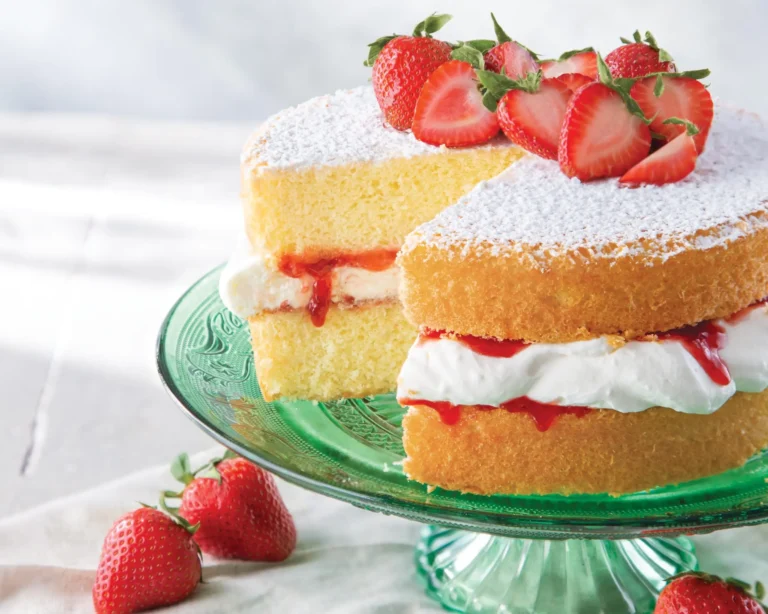
This Victoria Sponge Recipe is unique from other traditional cakes in a variety of ways. Incorporates basic ingredients in the pantry that are readily available. Always makes a soft, fluffy, and buttery sponge. Great for afternoon tea, birthdays, holidays, and celebrations. Simple to make and satisfying like bakery pastries. May be made with various jams, creams, or fresh fruit. Is clean and simple looking. This is a recipe which has never gone out of fashion. A lovely homemade Victoria sponge recipe made with the correct ingredients and a few handy baking tips makes the perfect light, flavoured, and party-oriented sponge cake to share with family and friends.
Ingredients You’ll Need
Unsalted Butter
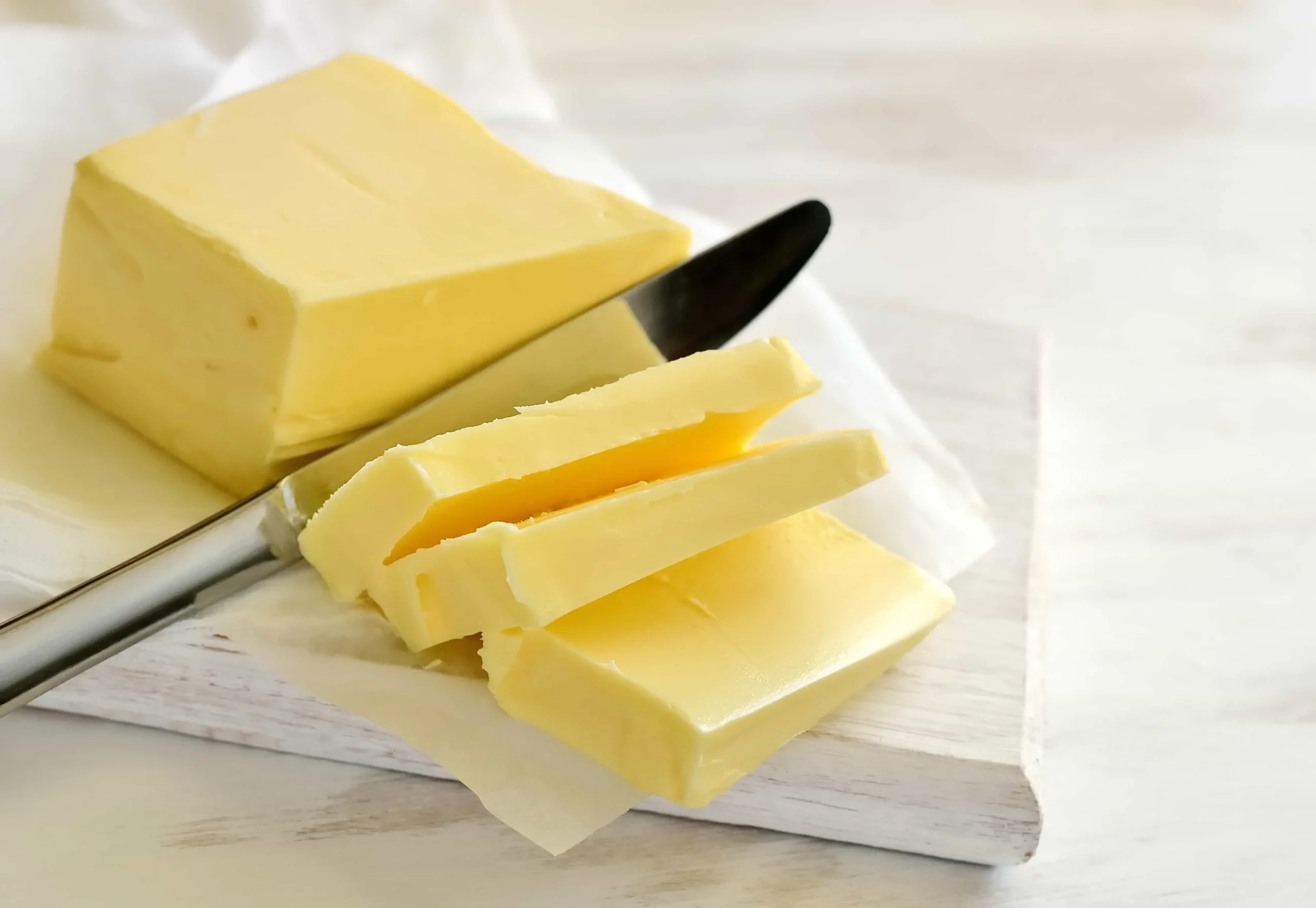
The sponge is very flavourful and light thanks to the butter. Always use softened unsalted butter since it is easier to cream with the sugar. The butter is also butter at room temperature, which also helps to make a lighter cake batter.
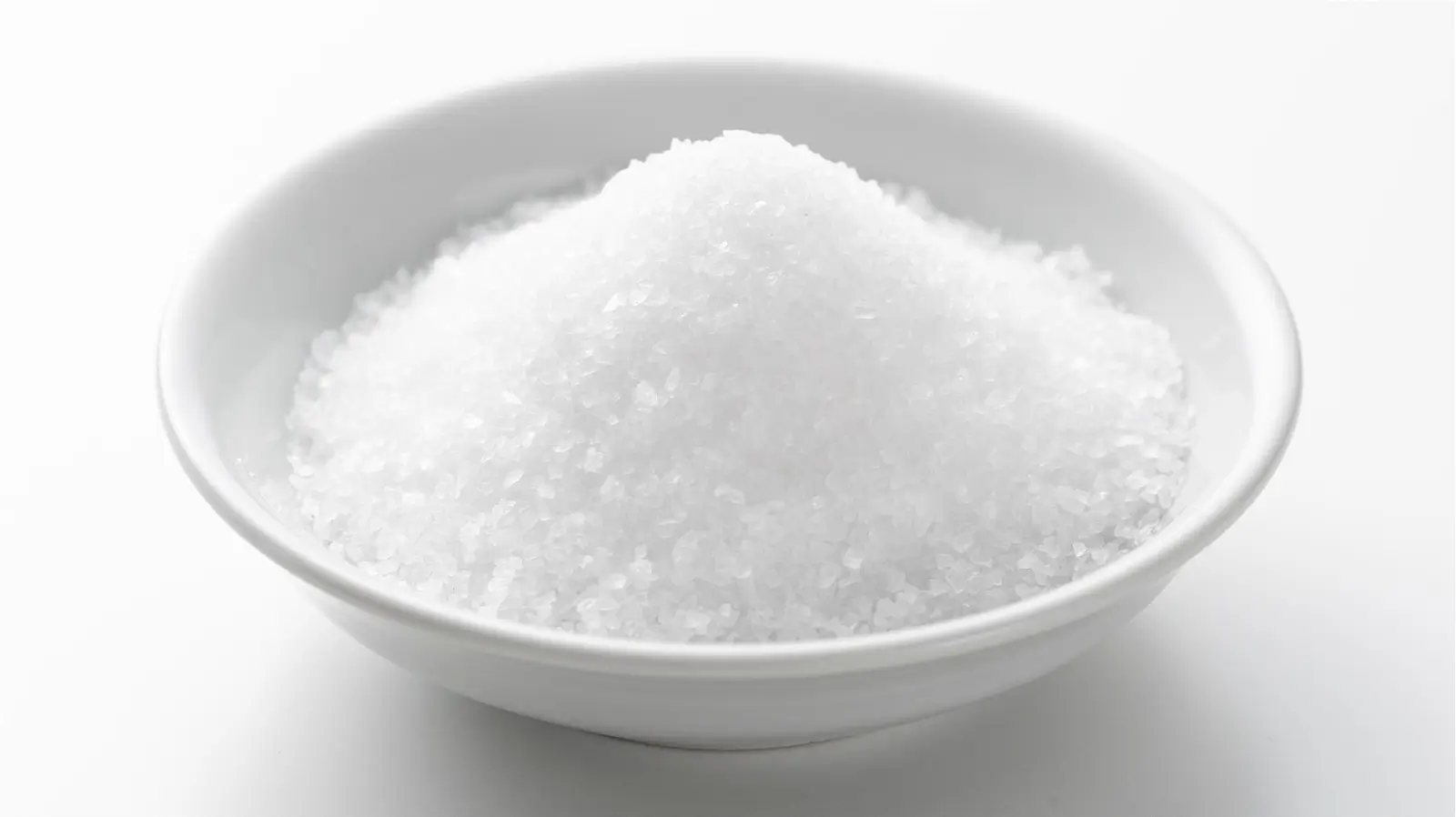
Caster Sugar
Caster sugar is used a lot due to its finer consistency, which allows it to incorporate easily with the butter. Superfine sugar is another good alternative to caster sugar if you don’t have any.
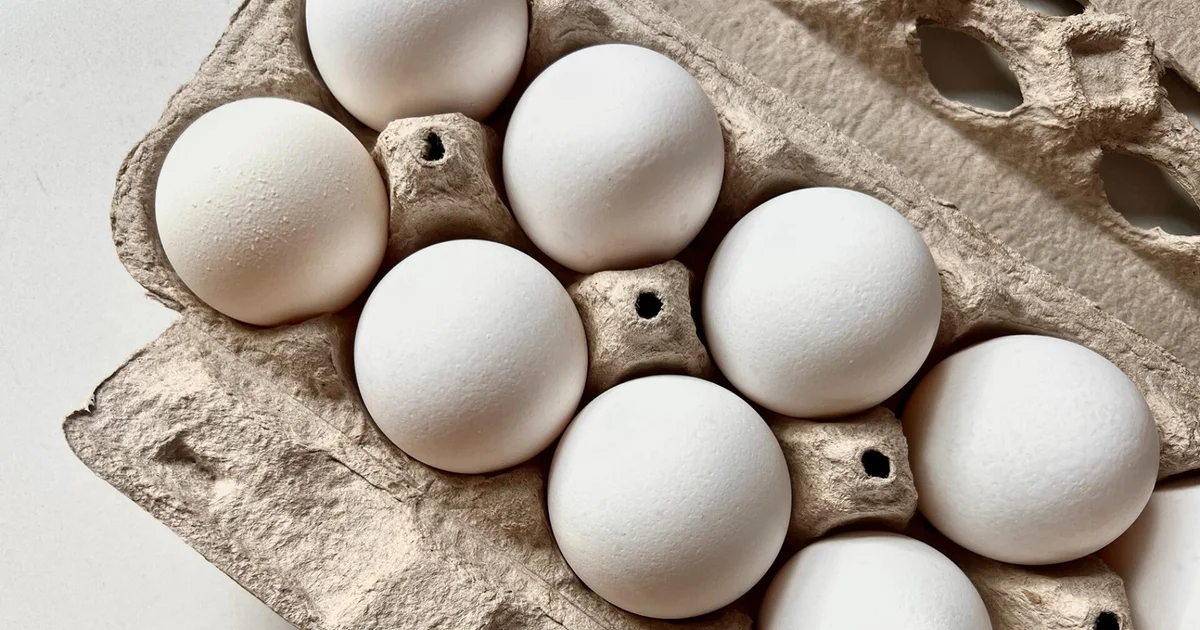
Eggs
The ingredients need to be bound together, and water and structure are also added, which is why fresh eggs are stored in the refrigerator until they are used and must be at room temperature. They also serve to ensure an adequate rise of the cake during baking.
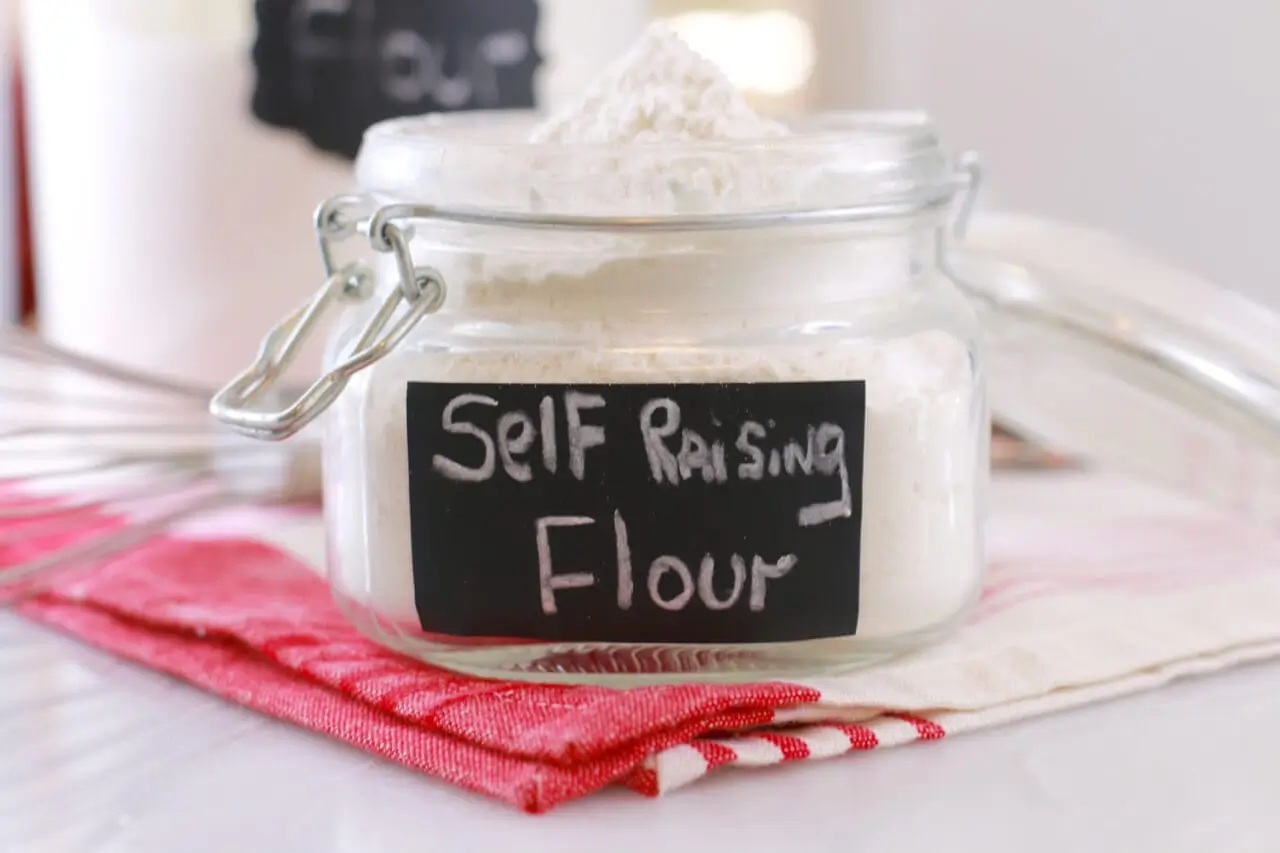
Self-Raising Flour
Self-raising flour has baking powder, so it will produce a light and airy sponge. If only plain flour and baking powder can be used to get the same results.
Baking Powder
Self-raising flour also contains a raising agent, but a little more baking powder in the sponge will give a lighter texture.
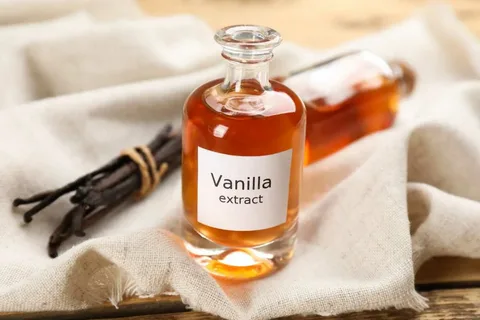
Vanilla Extract
A drop of vanilla extract will add warmth and add to the flavor of the cake, but not overpower the classic flavor of the cake.
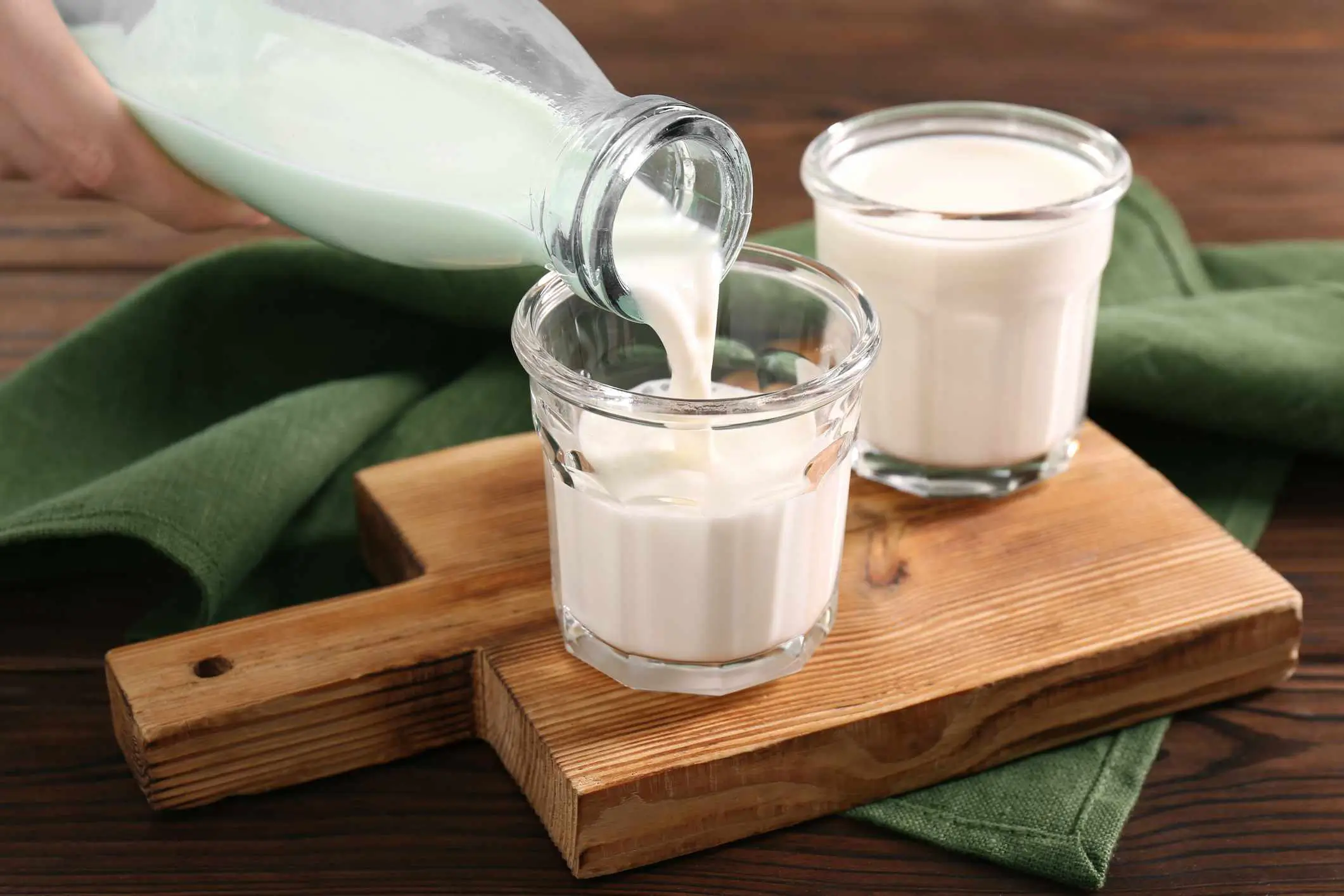
Milk
If the batter is too thick, a bit of milk will make it easier to loosen up the batter, but keep the sponge soft and damp.
The ingredients for the Filling.
The filling is the key to a Victoria Sponge Recipe. The classic versions are simple, letting the sponge be the show-stopper.
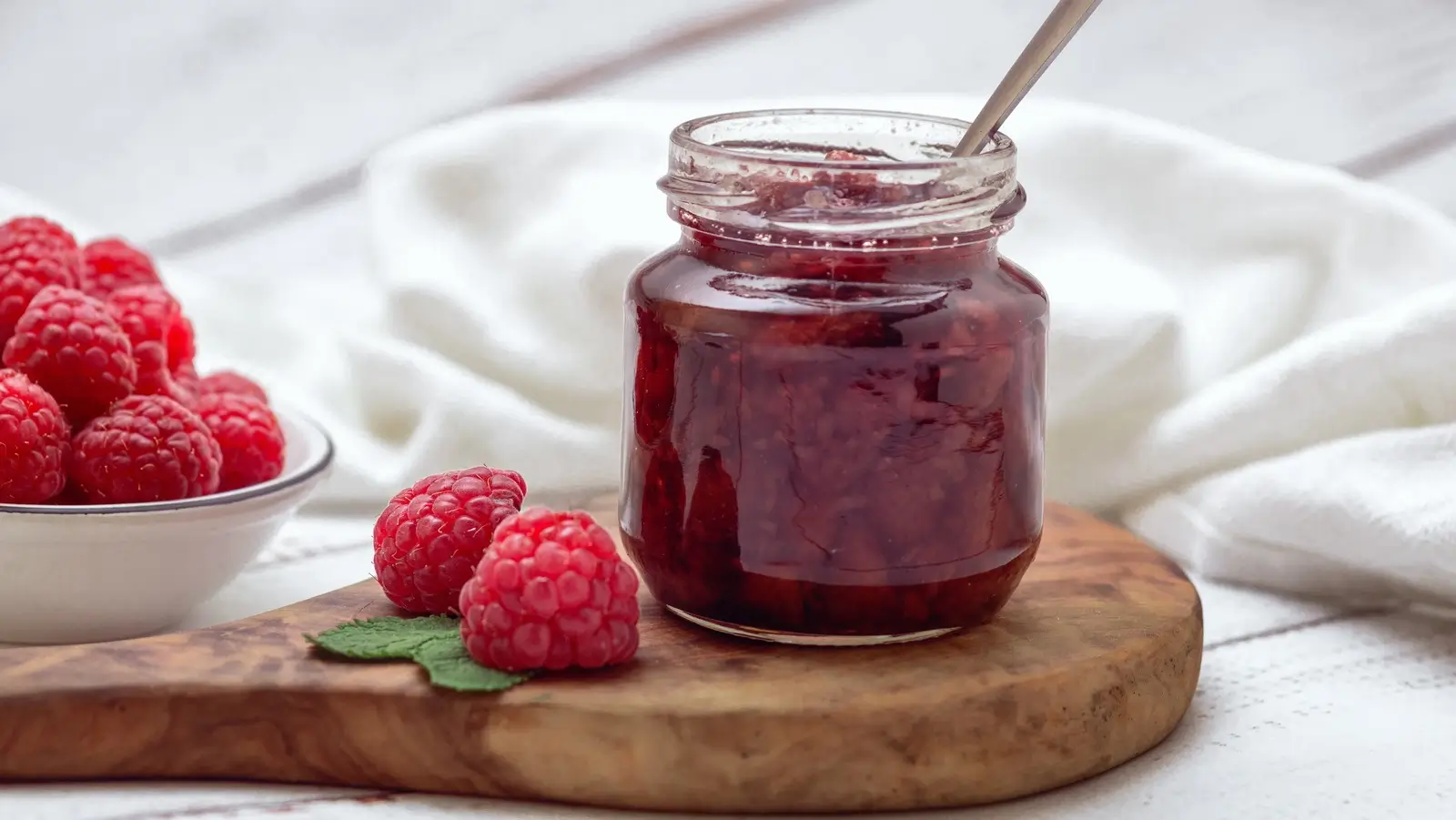
Strawberry or Raspberry Jam
The sweetness of fruit jam complements the richness of the cake, and it gives a hint of tanginess. The most popular of these, strawberry jam, is followed by raspberry jam, which has a slightly more cutting edge.
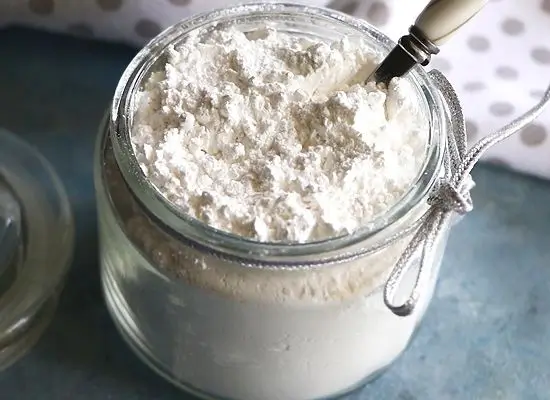
Icing Sugar
Few Tips & Tricks: icing sugar can be used to dust the finished cake for a classic bakery look, and it’s not complicated.
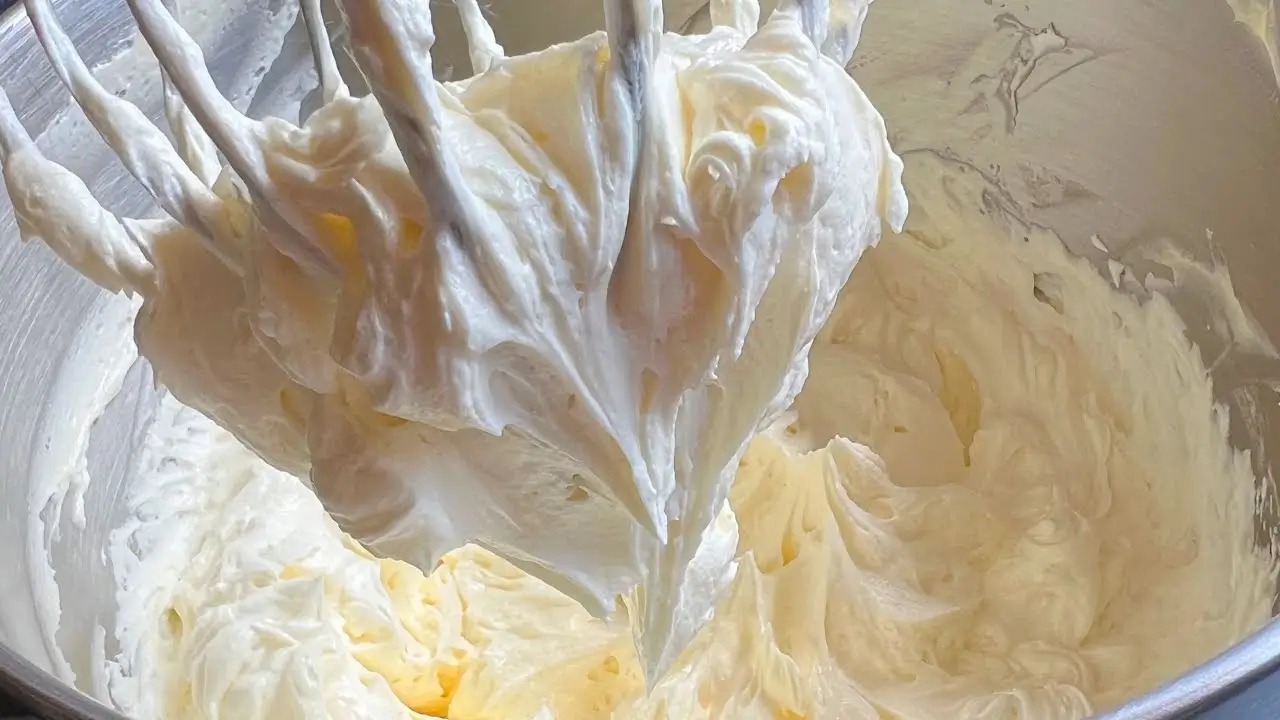
Creamy & light or buttercream.
When freshly whipped, cream will produce a light, delicate filling. Vanilla buttercream is a great substitute if you want a cake that is a bit more filling or a cake that will last longer.
Equipment You’ll Need
This Victoria Sponge Recipe is easy to make and requires no fancy baking supplies. Just a couple of basic kitchen utensils need to be available.
Essential Baking Tools
A set of 2 x 8” (20 cm) round cake tins
Preparing Your Equipment
Grease both cake tins with butter and line with baking paper before preparing the batter. This makes it easier to remove the cakes after baking and keeps them from sticking. It’s also a good idea to heat the oven before you start so the batter can immediately go into a heated oven to get the best rise. You have your ingredients measured and your equipment ready; now you’re ready to bake a perfectly soft and classic Victoria Sponge recipe in the next step.
How to make a Victoria Sponge Recipe
Creating a Victoria Sponge Recipe at home may seem like an easy task for many, but it isn’t. If you follow all steps very carefully, you’ll make a cake that is soft, airy, and tastes great, too.
Heat the oven to 350° F.
Start by preheating your oven to 180°C (350°F) or 160°C (320°F) for a fan-assisted oven. This will help ensure even baking, starting from the moment the cakes are in the oven. Butter the bottoms and sides of two 8-inch round cake tins, and line with baking paper to stop them sticking.
Cream the Butter and Sugar.
Add softened butter and caster sugar to a large mixing bowl. Beat them together in an electric mixer until the mixture is pale, light, and fluffy, 3-5 minutes. This addition of air into the batter is key, as it helps to produce the lighter texture of all Victoria Sponge Recipes.
Add the Eggs.
One by one, break the eggs into a separate bowl. This helps you check for shell pieces and ensures the eggs are fresh before adding them to the batter. Add each egg gradually, mixing well after every addition until the mixture becomes smooth, light, and fully combined. Avoid overmixing, as this can affect the texture of your Victoria sponge cake.
Fold in the Dry Ingredients
Sieve the self-raising flour and baking powder. Gently fold flour into the batter with a rubber spatula or large spoon. Do not overmix because excess air will be removed from the mixture and a heavy cake will be baked rather than a light sponge cake. If the batter is too thick, add 1 or 2 tablespoons of milk until it drips easily.
Portion the batter into the cups.
Evenly divide the batter between the prepared cake tins. Spread the mixture evenly in the corners with a spatula and smooth the tops. Both the tins are filled to the same level, which ensures the cakes are baked at the same height.
Wait to bake until
Put the tins in the centre of the preheated oven and bake for 20-25 minutes. The cakes have been prepared when the tips are a golden brown. They bounce back when slightly pressed. When a stick is inserted through the centre, it comes out clean
Do not open the oven door during the first 15-20 minutes, as this can make the cakes sink.
Cool Completely
Set aside the cakes in the tins for approximately 10 minutes, then place on a wire rack. Ensure that they are completely cool before filling. If cakes are filled when they are warm, they will cause the cream to melt and the jam to run.
Putting together a Victoria Sponge
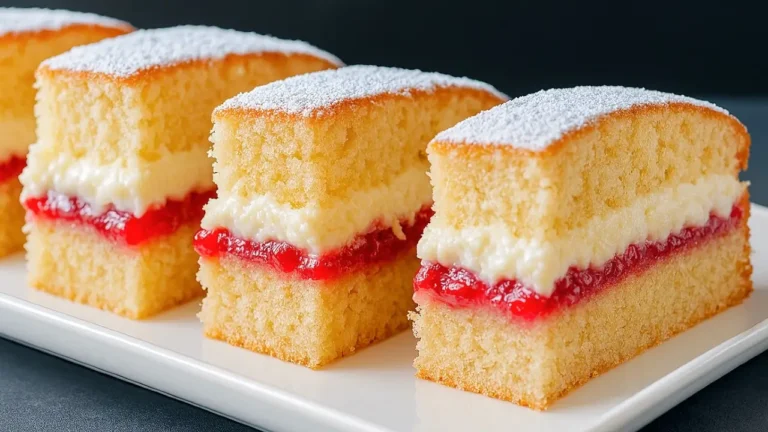
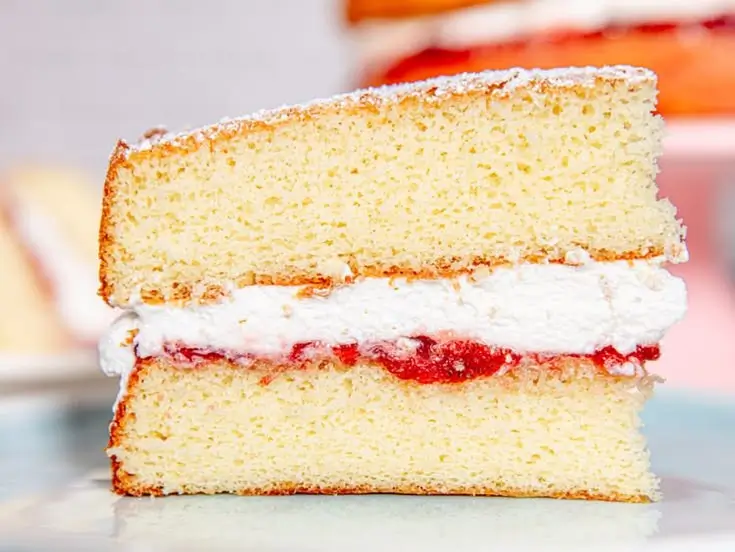
Apply an even layer of strawberry or raspberry jam to one layer of sponges. Top with whipped cream or buttercream, and carefully place the second cake layer atop the filling.
Dust with icing sugar to finish for a traditional appearance.
Your homemade Victoria Sponge is ready to serve! Light, fruity and sweet, it’s the perfect dessert at afternoon tea, a birthday party, a family gathering or any special occasion.
Our Victoria Sponge recipe expert tips:
A classic Victoria Sponge Recipe can be a very basic dish, but with a couple of little tips and tricks, it can make a huge difference. These pro tips will help you to make a soft, fluffy, perfectly balanced cake every time.
Start with all the ingredients at room temperature, such as butter, eggs, and milk. Cold ingredients are not as easily combined and may cause the sponge to be less smooth.
Baking is a science. Use a kitchen scale to measure ingredients wherever possible. You can alter the texture of your cake by making relatively minor measurement mistakes.
Add flour and fold gently until it is just incorporated. Over-mixing causes gluten development in flour, making the sponge too dense and heavy.
Cakes bake at the same rate when the cake tins are placed on the middle rack, thereby ensuring even heat circulation and uniform baking.
Cream and buttercream are not to be applied to warm cakes. By waiting for the sponge to completely cool down, the filling won’t melt, and the layers will remain neat.
Common Mistakes to Avoid
Even pros can get it wrong. Prevent these common issues when making your Victoria Sponge Recipe.
|
Mistake |
Why It Happens |
How to Avoid It |
|---|---|---|
|
Opening the Oven Too Soon |
Opening the oven during the first 15–20 minutes can cause the sponge to collapse. |
Keep the oven door closed until the cake has risen and is nearly baked. |
|
Using Cold Butter |
Cold butter does not cream properly with sugar, resulting in a dense cake. |
Use room-temperature butter for a light and fluffy batter. |
|
Overbaking the Sponge |
Baking too long removes moisture and makes the cake dry. |
Check with a skewer; if it comes out clean, remove the cake immediately. |
|
Uneven Batter Distribution |
Unequal batter causes one cake layer to bake faster than the other. |
Divide the batter evenly between both cake pans before baking. |
How to serve a Victoria Sponge recipe.
The Victoria Sponge Recipe is delicious in its own right, but it’s all the better with the right presentation and accompaniments. A traditional cake is a great centerpiece for any gathering, whether it’s a casual family dinner or an afternoon tea.
Best Ways to Serve
For the best flavor and texture, serve the cake at room temperature. Allow it to come to room temperature, about 20-30 minutes before serving if it has been kept in the refrigerator. This will help the sponge soften and the filling to be the appropriate consistency. Use a sharp serrated knife to cut into even slices. Clean the knife between cuts to ensure the neatness of cuts.
Perfect Pairings
A Victoria Sponge Recipe is perfect with any of the following light desserts or beverages:
Make your own lemonade for summer parties! The delicate taste of the sponge is enhanced by these simple pairings. The best way to store Victoria Sponge Cake is to refrigerate it in a tightly covered container. By following these cake storage tips, you can ensure that your cake stays fresh and soft.
At Room Temperature
Jam-packed cakes will generally keep for up to 2 days in an airtight container at room temperature.
In the Refrigerator
Whipped cream or any fresh fruit in Victoria Sponge Recipe – put in the refrigerator. Store it in an airtight container and eat within 2-3 days to get the best flavor and texture.
Freezing Instructions
Sponge layers may be frozen prior to filling. Tightly wrap each cooled layer in plastic wrap and aluminum foil or in a freezer bag. Freeze for up to 3 months. Thaw the cake layers at room temperature and then add the jam and cream.
Nutritional Information
This Victoria Sponge Recipe may have varying nutritional value depending on the ingredients that are used and the size of each slice. One typical serving provides approximately 340-400 calories as well as carbohydrates, protein, fats, and sugar. The calorie content could be a bit lower if you use whipped cream instead of buttercream and/or use less sugar. The figures disclosed are indicative only and are not intended to be exact values.
Final Baking Tips
Follow a few tips, and you will be able to make a perfect Victoria Sponge Recipe. The following simple tips will ensure that you always get a soft and fluffy sponge filled with a yummy stuffing.
Use ONLY fresh ingredients.
The use of fresh butter, eggs, flour, and baking powder is a noticeable difference in flavor and texture. Fresh ingredients ensure the cake will rise well and make a light, tender crumb.
Measure Everything Carefully
One of the most critical aspects of baking is having accurate measurements. Excessive flour will cause dry sponges, and excessive water may cause the sponges to lose their shape. The best results are obtained through the use of a kitchen scale.
Let the Cake cool down.
Do not cool the product too quickly. Sponge layers must be cool throughout before adding jam, whipped cream or buttercream. This will keep the filling cold and ensure that the cake maintains its form.
Avoid Overmixing
After flour is added, gently fold until combined. There is a delicate balance between not mixing enough and over-mixing your batter. Too much mixing will remove the air from your batter, leaving a cake that is denser than a Victoria Sponge Recipe is supposed to be.
When it comes to decorating, simplicity is the key.
The beauty and simplicity of a traditional Victoria sponge recipe are among its most charming qualities. It does not require elaborate decorations to look elegant or taste delicious. A light dusting of icing sugar is often all that is needed to give the cake a classic finish. For an extra touch of freshness, you can decorate it with a few fresh strawberries, raspberries, blueberries, or other seasonal berries. These colorful fruits not only enhance the cake’s appearance but also add a burst of natural sweetness that perfectly complements the soft sponge and creamy filling. This simple presentation makes the Victoria sponge ideal for afternoon tea, birthdays, family gatherings, or any special occasion.
Why This Recipe Is a Classic
The Victoria Sponge Recipe has been a family favourite for many years and is a very easy recipe to make, yet it is still a very good recipe. Easy enough for beginners to make, yet impressive enough for birthdays and afternoon tea, family get-togethers and holiday celebrations. It has a light sponge, fruity jam, and creamy filling, giving a well-balanced flavour which is suitable for all ages. The recipe can also be easily adapted so you can have fun with different fillings and flavors while keeping the appeal of this traditional British dessert.
Conclusion
A Victoria Sponge Recipe is a classic dessert that will always be in style. The soft, buttery sponge layers, sweet fruit jam, and smooth cream filling create a harmonious balance of taste, texture, and simplicity. With the tips and techniques outlined in this guide, you can make a light, moist cake with a well-balanced flavor. This is a classic recipe that’s perfect for afternoon tea, a birthday party or any special family event. If you get this Victoria Sponge recipe right this time, you will have a sure-fire cake that can go with any event. It is easy to prepare, easy to customize, and always delicious; this is a recipe that you will make again and again.