Victoria Sponge Recipe Tips, Baking, Storage & Serving Guide
Master the Victoria Sponge Recipe with expert tips on ingredients, mixing, baking, decorating, serving, storage, freezing, and easy troubleshooting.
Choose the Best Ingredients
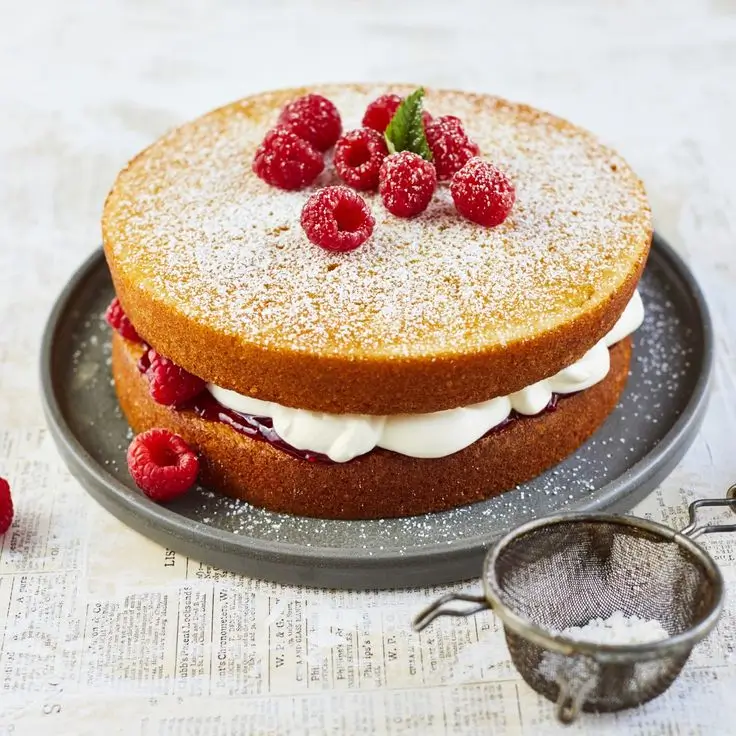
Quality ingredients make for a yummy Victoria sponge recipe. This cake uses very simple ingredients, and each has a significant effect on the flavor and consistency of the cake.
|
Tip |
Why It Matters |
|---|---|
|
Measure Ingredients Accurately |
Use a digital kitchen scale whenever possible. Too much flour makes the cake dry, while too much butter makes it heavy. |
|
Choose Good-Quality Butter |
Unsalted butter gives better flavor and texture than margarine, resulting in a softer, richer sponge. |
|
Use Fresh Eggs |
Fresh, room-temperature eggs help the cake rise properly and improve its color and structure. |
|
Use Self-Raising Flour |
Self-raising flour provides the perfect rise. If using plain flour, add the correct amount of baking powder. |
|
Use Fine Caster Sugar |
Caster sugar dissolves quickly, creating a smoother batter and a lighter, finer crumb. |
|
Add Pure Vanilla Extract |
Pure vanilla delivers a richer, more natural flavor than artificial vanilla, even in small amounts. |
|
Avoid Overmixing the Batter |
Mix only until combined. Overmixing develops gluten, making the sponge dense instead of light and airy. |
|
Prepare the Cake Pans Properly |
Grease and line the cake tins before adding the batter to prevent sticking and ensure easy removal. |
|
Divide the Batter Evenly |
Use a kitchen scale to split the batter equally between the tins so both layers bake evenly. |
|
Follow These Basics |
Careful preparation and quality ingredients help create a light, tender, and delicious classic Victoria sponge cake. |
Mixing and Baking Guide for the Perfect Victoria Sponge
Creating a Victoria Sponge Recipe is not just about the ingredients that are used. Mixing the batter and baking the cake will greatly influence the texture, rise, and flavor of the cake. By following the proper techniques, you can always get a light, fluffy, evenly baked sponge.
To cream the Butter and Sugar Properly;
The first is the instructions to cream the butter and sugar together in any Victoria sponge recipe. Pound until light, pale, and fluffy. This process involves adding very small bubbles to the batter, which will allow the cake to rise on its own while baking. This step can be rushed, which can lead to a dense and heavy sponge.
Add Eggs Gradually
Beat the eggs in a separate bowl before beating them into the butter mixture. Beat after adding one egg at a time. If the mixture begins to curdle, add a bit of flour before adding the next egg. This will help to keep the batter smooth and have a uniform consistency.
Gently fold the Dry Ingredients
Sieve the self-raising flour into the bowl and fold gently into the batter with a spatula or metal spoon. Do not stir vigorously since this may remove the air that was forced in during creaming. Gentle folding maintains softness, airiness, and good rise of the sponge.
Don’t over-mix the batter.
Over-mixing is one of the most common causes of a tough sponge. When there is no more flour in the mixture, stop mixing. A couple of small lumps are okay and will melt away during the baking process.
Divide batter evenly among bowls.
Divide the batter into the prepared cake tins so that it is equal for each layer to ensure even baking of the cake. The best way to get equal portions is to use a kitchen scale. Even layers also provide an easier way of assembling the cake.
Bake at the Correct Temperature
Always bake a Victoria sponge in a hot oven. Most ovens will work best at 180°C (160°C fan/Gas Mark 4). Don’t increase the temperature to reduce baking time, since the external part of the pie may brown before the center is cooked.
Avoid Opening the Oven Door
Don’t peek at the cake before it’s finished. The first 20 minutes are a critical period when opening the oven door will result in heat escaping, and the sponge could sink. Wait until the cake is nearly done before checking for doneness.A meat thermometer should be used to check the product for Perfect Doneness. Put a skewer or toothpick into the middle of the sponge. When baked, the cake is done if it comes out clean or has a few dry crumbs on the surface. The sponge should also have a spring when squeezed in the middle.
Cool Cake Correctly.
Let cakes cool in their tins for approximately 10 minutes, then transfer to a wire rack. Chilling them thoroughly before filling with jam and cream will help to ensure that layers do not shift around and that the filling does not melt. You will learn these mixing and baking tips, which will assist you in creating a Victoria Sponge Recipe that is beautifully risen, soft, and perfectly balanced!
The Victoria Sponge Recipe is a great resource for decorating and serving a sponge cake.
A good Victoria Sponge Recipe should be looked at with great pleasure. This classic British cake may seem simple, but there are a couple of tips for serving and decorating that can elevate its elegance and take the cake one notch further. These tips can help you serve your cake with confidence, whether you’re hosting a birthday, an afternoon tea or a family get-together.
Choose the Traditional Filling
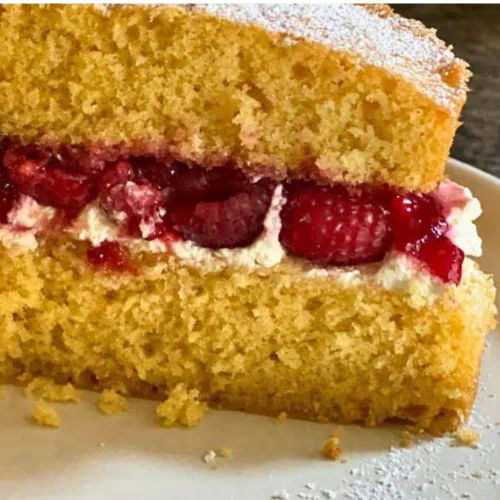
A classic Victoria sponge is topped with a layer of strawberry (or raspberry) jam and freshly whipped cream. Vanilla buttercream is used by some bakers in preference to whipped cream as it will maintain its shape longer, and the cake is less prone to travel. Use any one of the fillings available and apply it evenly to make even layers and to prevent the filling from spilling over the edge of the bread when cut.
Use High-Quality Jam
The great thing about jam is that it is one of the primary flavours in a Victoria sponge, and if you choose a good quality preserve, you will be able to notice the difference. Strawberry jam is sweeter; raspberry jam brings some tartness to help balance the sweetness of the sponge. If the jam is too thick, warm it a little before spreading; cool it down before using it to assemble the cake.
Whip the Cream Correctly
Whip the cream, if using fresh cream, until soft peaks form. Don’t overwhisk, or it will be grainy or separate. If you want, drizzle a little vanilla extract or a teaspoon of icing sugar into the mixture as you whip. Spread cream evenly on the jam, being careful not to push too hard into the sponge.
Sprinkle with Icing Sugar.
A hallmark of the traditional Victoria Sponge Recipe is having a thin layer of icing sugar on top. Sprinkle dust on the cake just before serving to keep the sugar fresh and appealing. Simple yet elegant, this decoration will complete the traditional look of the cake.
A touch of the modern: Fresh Fruit.
When decorating the top of the cake with fresh strawberries, raspberries, blueberries, or edible flowers for special occasions, be sure to put the finishing touch on the cake in the kitchen. For special occasions, decorate the top of the cake with fresh strawberries, raspberries, blueberries, or edible flowers; be sure to finalize the cake in the kitchen. The fresh berries will not only provide color but also serve as a complement to the fruity filling. Avoid excessive decorations; the cake will always be a classic.
Cut the cake into slices neatly
Make clean slices with a sharp serrated knife. Clean the knife after every cut, to make every cut presentable. This makes decorating for parties and other occasions easier.
Pair Your Victoria Sponge with the Right Drinks
Traditionally, Victoria sponge is served with English Breakfast tea or Earl Grey tea. It’s also a great accompaniment to any coffee or cappuccino, hot chocolate, or even fresh lemonade in summer months. The light sponge and fruity filling is ideal for both hot and cold drinks.
Best Occasions to Serve Victoria Sponge
Victoria sponge is perfect for afternoon tea, birthday celebrations, family gatherings, baby showers, or weekend treats. Its light texture and classic flavor make it suitable for both casual and special occasions throughout the year.
Serve at the Correct Temperature.
Take out the cake about 20 minutes before serving if the cake is to be refrigerated due to the cream filling. This lets the butter, cream and jam ‘flow’ through the sponge a bit more, and the flavorings really come out. The presentation of your Victoria Sponge Recipe is simple yet elegant, making it the focal point of any tea table or celebration, with the right balance of beauty, tradition and delicious flavour.
Storage, Freezing, and Troubleshooting Guide for Victoria Sponge Recipe
While a home-made Victoria Sponge recipe is best fresh, it can be soft and delicious for longer with correct storage and handling. By learning about different baking issues and how to solve them, as well as storing and freezing the cake, you will be able to enjoy the perfect results every time you bake this traditional cake.
Keep Cake Properly
The best place to store a Victoria sponge is in an airtight cake tin. The jam or buttercream cake can be kept at room temperature in a cool, dry location for up to two days. Do not put it in direct sunlight or in the vicinity of heat sources, or the sponge may dry out. If the Victoria Sponge Recipe requires fresh whipped cream, then it needs to be refrigerated. Cover the cake well so that the cake doesn’t absorb the smell from other things in the refrigerator. If the best taste and texture are desired, use it within two days.
Freeze the Sponge Layers.
Victoria sponge can be frozen well when it is empty. When the cake layers are completely cool, wrap tightly in plastic wrap and then in aluminum foil. Put the wrapped layers into a freezer-proof bag or air-tight container. May be frozen for 3 months with no loss of quality. Thaw the layers of sponges at room temperature, still wrapped. This will avoid condensation, causing a soggy cake. When the cake is thawed, fill and decorate as always.
Maintain the softness of the sponge.
Don’t leave the cake uncovered for too long or it will become brittle. The sponge dries out very rapidly when it is exposed to air. After 1 day, if it’s a bit dry, slop it with fresh whipped cream, berries or a light sauce of fresh fruits.
Troubleshooting Common Victoria Sponge Issues
Advice from the Professionals
All of the Victoria Sponge Recipes are done through practice. Record baking times, oven performance, and preferred brands of ingredients. A few tips can help you get a consistently light, fluffy, and flavorful sponge. With these easy storage, freezing, and troubleshooting tips, you can bake a delicious Victoria sponge anytime you feel like a slice of this classic British cake.
Conclusion
Victoria Sponge Recipe is a classic that never goes out of fashion, and when done correctly, is an incredible treat. The use of good ingredients, the careful mixing of the cake batter, the baking, and the proper storing conditions all contribute to making a soft, light, and delicious sponge. Serve with your favorite jam and whipped cream or jazz it up with fresh berries; this cake would be delicious for afternoon tea, birthdays, and family occasions. Follow these tips, and you’ll have a successful bake every time you bake this beautiful, popular British dessert.