Mary Berry Victoria Sponge Recipe, Classic All-in-One Cake
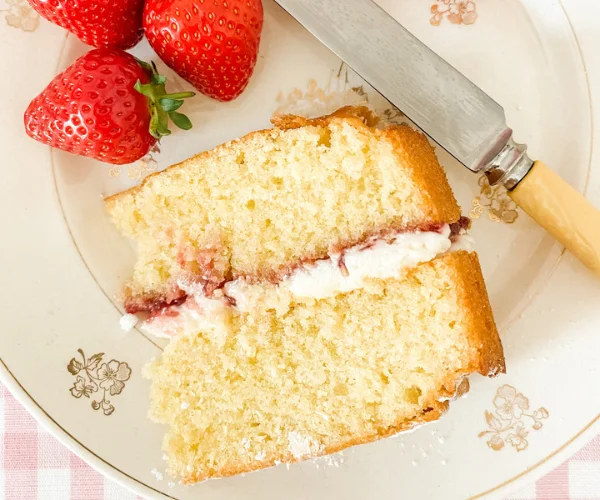
The Mary Berry Victoria Sponge Recipe is one of the most trusted and best-loved cake recipes in British baking. Famous for its simple all-in-one method, this classic sponge produces two light, golden layers sandwiched together with sweet strawberry jam and softly whipped cream. It is the recipe that generations of home bakers reach for whenever they want a guaranteed, foolproof result, and it never lets them down. What makes Mary Berry’s version so popular is just how forgiving it is. Instead of creaming the butter and sugar separately and adding the eggs bit by bit, every ingredient simply goes into one bowl and is beaten together for a couple of minutes. This means even complete beginners can achieve bakery-quality results with almost no effort, which is exactly why this cake appears at afternoon teas, birthday parties, coffee mornings and village fetes all across the country.
The beauty of a Victoria sandwich is its simplicity. There are no complicated techniques, no fancy piping, and no long list of ingredients. The focus is entirely on a soft, buttery sponge, a good fruity jam, and a light cream filling working together in perfect harmony. It is a cake that celebrates quality ingredients and careful basics rather than showy decoration. In this complete guide, you will learn the exact ingredients Mary Berry uses, the all-in-one method explained step by step, her own tips for a perfect, even rise, the common mistakes to avoid, and plenty of ideas for storing and adapting the cake. Follow along, and your Victoria sponge will turn out soft, level and beautifully risen every single time.
What Is the Mary Berry Victoria Sponge?
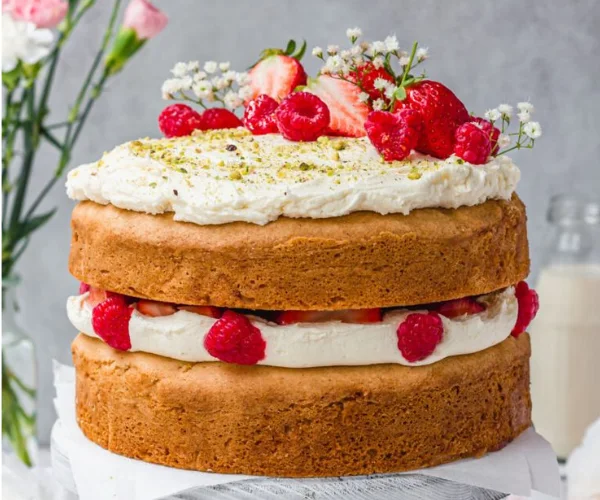
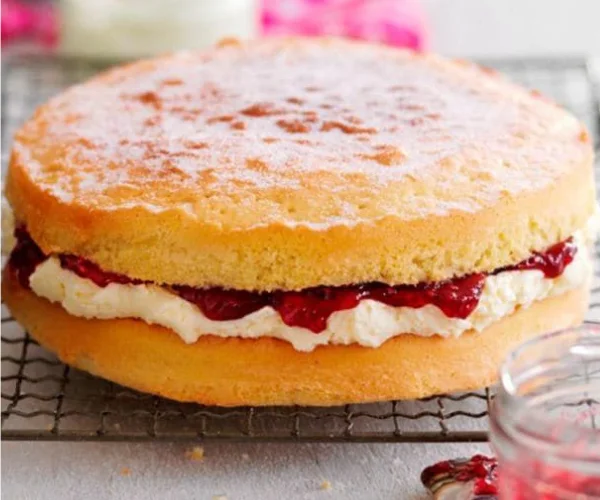
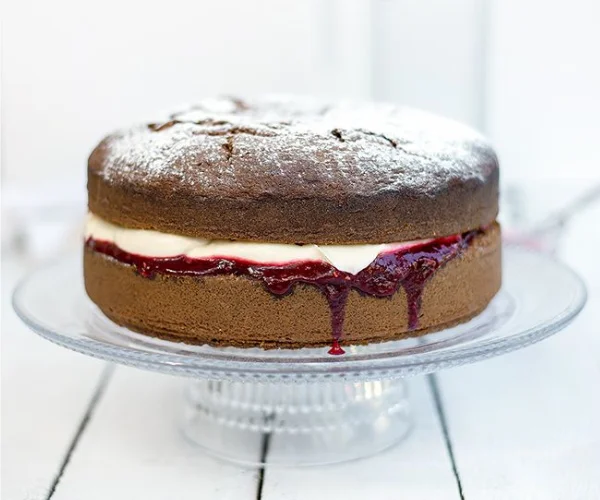
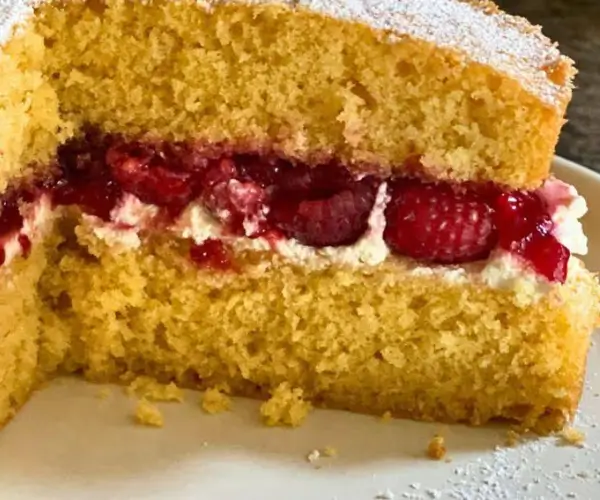
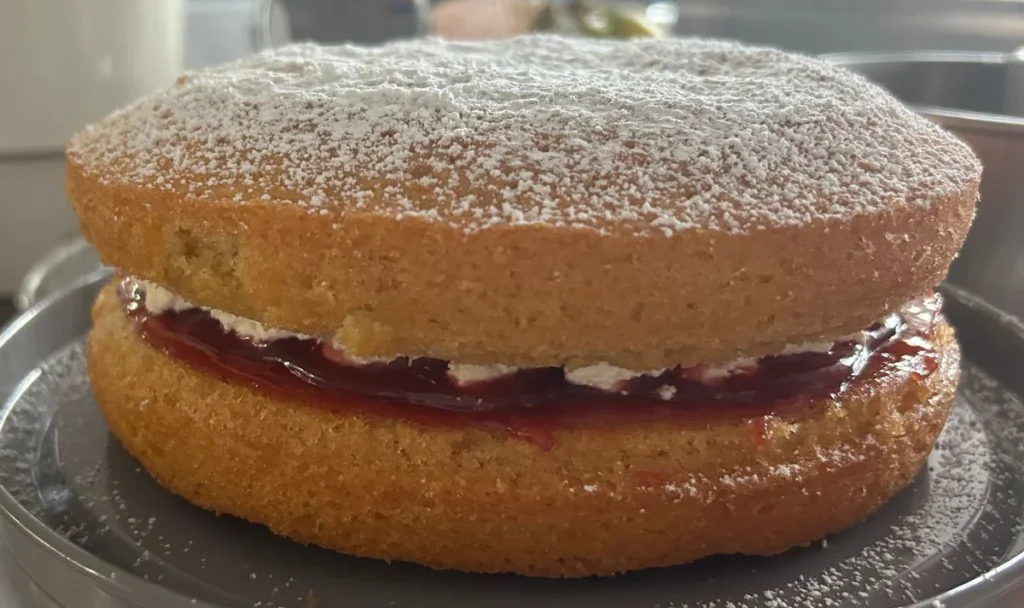
Mary Berry’s Victoria Sponge recipe, which is also referred to as Victoria Sandwich cake, is a traditional British dessert consisting of two layers of sponge cake. It requires an equal quantity of butter, sugar, self-raising flour, and eggs, with additional baking powder. The two cooled layers are filled with jam and whipped cream, then finished simply with a dusting of caster or icing sugar on top. There is no heavy frosting or elaborate decoration, which is part of its timeless charm. Mary Berry is widely credited with popularising the all-in-one method for this cake, where all of the sponge ingredients are beaten together at once rather than in careful stages. This approach saves time and gives a reliably even, tender crumb, which is why her recipe has become the benchmark that so many home bakers measure every other Victoria sponge against. The cake takes its name from Queen Victoria, who was said to enjoy a slice of sponge with her afternoon tea. Over the years, it evolved into one of the most iconic homemade cakes in Britain, and it remains a firm favourite in bakeries, tearooms and family kitchens to this day.
Why You’ll Love This Recipe
There are countless reasons why this particular Victoria sponge has stood the test of time and become a staple in British kitchens.
Whether you are baking your very first cake or you are an experienced baker who wants a dependable classic, this recipe delivers a beautiful sponge that tastes as good as it looks. It is the kind of cake that becomes a household favourite and gets requested again and again.
Ingredients You Will Need
For the Sponge
For the Filling
Key Ingredient Notes
Butter gives the sponge its lovely flavour and soft texture. Always use softened butter so it blends smoothly with the other ingredients. If you prefer, a soft baking spread works beautifully in the all-in-one method and is the fat Mary Berry often recommends because it mixes easily straight from the fridge. Caster sugar is important because its fine grains dissolve quickly and evenly, helping to create a smooth batter and a tender crumb. Granulated sugar is coarser and can leave a slightly grainy texture, so caster sugar is well worth using here. Self-raising flour already contains a raising agent, which is what gives the sponge its lift.
The recipe also adds a little extra baking powder, and this is Mary Berry’s secret for an especially light, high sponge. If you only have plain flour, you can add roughly two teaspoons of baking powder per 225g of flour. Eggs bind the batter together, add moisture, and help the cake rise. Use large eggs at room temperature, as cold eggs can cause the mixture to curdle. Taking them out of the fridge an hour before baking makes a real difference to the final texture. The jam is a key part of the flavour, so choose a good quality one. Strawberry is the most traditional choice, while raspberry adds a slightly sharper, tangier note. The cream should be double cream, whipped only to soft peaks so the filling stays light and does not become stiff or buttery.
Equipment needed for the Recipe:
For making this cake, you won’t need any special equipment but just a few regular ones that you can find in any kitchen. Firstly, grease two sandwich tins with some amount of butter and then line them with baking paper sheets. It will not only help you in unmolding your sponge but also prevent it from sticking to the tin. One more useful step is to heat your oven in advance.
Common Mistakes to Avoid
|
Common Mistake |
Why It Happens |
How to Avoid It |
|---|---|---|
|
Opening the Oven Too Early |
Opening the oven door too soon causes the sponge to lose heat and collapse before it has fully set. |
Keep the oven door closed until the cake is nearly baked. Test for doneness only toward the end of the baking time. |
|
Using Cold Butter |
Cold butter does not cream properly with sugar, leaving lumps and creating a dense, uneven batter. |
Use softened butter at room temperature, or choose a baking spread that can be used straight from the fridge. |
|
Overbaking the Sponge |
Baking for too long removes moisture, resulting in a dry and crumbly cake. |
Begin checking the cake after about 22 minutes and use a skewer test instead of relying only on the timer. |
|
Filling the Cake While Warm |
Warm sponge causes the cream to melt and the jam to become runny, making the cake unstable and soggy. |
Let both sponge layers cool completely before adding the filling and assembling the cake. |
Delicious Variations to Try
One of the joys of a Victoria sponge is how easily it can be adapted while keeping its classic character.
How to Serve Mary Berry’s Victoria Sponge
A Victoria sponge is best served at room temperature, as this allows the sponge to stay soft and the filling to reach its ideal creamy consistency. If the cake has been in the fridge, let it sit out for around 20 to 30 minutes before serving. Use a sharp knife to cut clean, even slices, wiping the blade between cuts for a tidy finish. This cake is the centrepiece of a classic afternoon tea and pairs beautifully with a pot of English Breakfast or Earl Grey tea. It is equally lovely with freshly brewed coffee, and a few extra fresh berries or a light fruit salad on the side makes it feel extra special for celebrations.
How to Store
At Room Temperature
A sponge filled with jam only will keep well in an airtight container at room temperature for up to two days, staying soft and fresh.
In the Refrigerator
Once filled with fresh whipped cream, the cake should be stored in the fridge in an airtight container and eaten within two to three days for the best flavour and texture.
Freezing
The unfilled sponge layers freeze beautifully. Wrap each cooled layer tightly in cling film and foil, or place in a freezer bag, and freeze for up to three months. Thaw at room temperature before filling and serving.
Nutritional Information
The nutritional value of this cake will vary depending on the exact ingredients and slice size. As a rough guide, one typical slice provides around 350 to 420 calories, along with carbohydrates, fats, protein, and sugar. Using whipped cream rather than buttercream and a little less jam can reduce the calorie count slightly. These figures are approximate and intended only as a guide.
Conclusion
The Mary Berry Victoria Sponge Recipe remains a firm favourite because it is quick, reliable, and utterly delicious. With the simple all-in-one method and a few careful tips, you can bake a light, golden sponge filled with jam and cream that looks and tastes like it came straight from a bakery. Once you master this classic, it will become your go-to cake for every occasion, from a quiet afternoon tea to a big family celebration. Bake it once, and you will understand exactly why this recipe has been loved by home bakers for so many years.