Victoria Sponge Traybake, Easy Sheet Cake for a Crowd
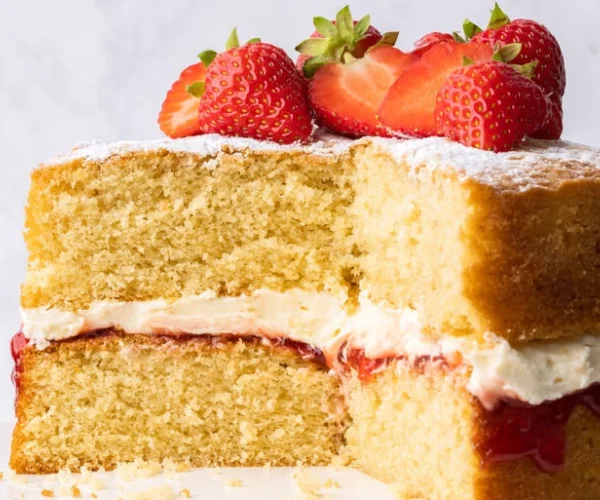
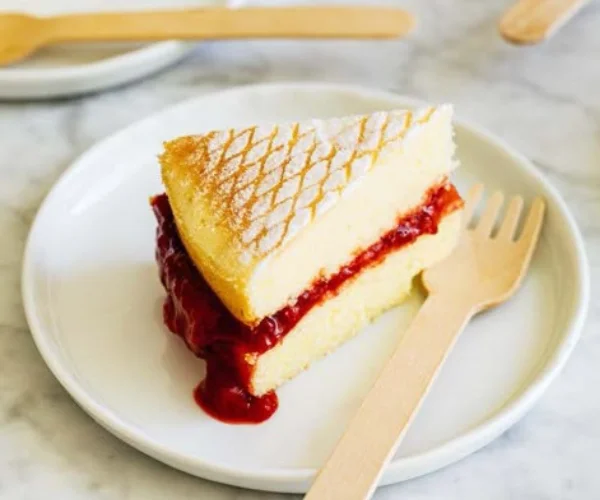
A Victoria Sponge Traybake takes everything you love about the classic Victoria sponge and turns it into an easy, crowd-friendly sheet cake. Baked in a single rectangular tin, it skips the fiddly layering and gives you a soft, buttery sponge topped with fruity jam and creamy buttercream, ready to slice into neat, portable squares. This is the perfect bake for busy occasions such as parties, school fairs, bake sales, coffee mornings, and picnics, because one tin easily feeds twelve or more people.
It uses the same simple all-in-one method as a traditional Victoria sponge, so it is quick to prepare and almost impossible to get wrong, even for beginner bakers. Because a traybake is baked flat in one tin and topped rather than layered, it travels well and holds its shape, which makes it far more practical than a tall sandwich cake when you need to feed a crowd. The buttercream topping is also more stable than fresh cream, so it copes well with warm rooms and long buffet tables. In this recipe, you will find the exact ingredients, a clear step-by-step method, expert tips for a level and evenly baked traybake, plus variations, storage advice, and answers to the most common questions.
Why Make a Traybake Version?
The traybake is a brilliant way to enjoy a Victoria sponge when you need quantity and convenience without sacrificing flavour.
If you have ever struggled to transport a tall layered cake or worried about cream sliding in a warm room, the traybake solves both problems while keeping all the taste of the original.
Ingredients You Will Need
For the Sponge
For the Topping
Key Ingredient Notes
The sponge quantities here are slightly larger than a standard round cake because a traybake tin has a bigger surface area. Keeping the butter, sugar, flour, and eggs in balanced proportions is what gives the light, even crumb, so it is worth weighing them accurately. Softened butter is essential for both the sponge and the buttercream. For the sponge, it blends smoothly into a light batter, and for the topping, it whips up pale and fluffy. Take it out of the fridge well ahead of time so it is genuinely soft. Icing sugar, rather than caster sugar, is used for the buttercream because its fine, powdery texture dissolves into the butter to create a smooth, spreadable topping without any grittiness. Sift it first if it looks lumpy. A good fruity jam ties the whole traybake together. Spread it directly onto the cooled sponge before the buttercream, so every bite has that classic sweet and tangy Victoria sponge flavour.
Equipment You Will Need
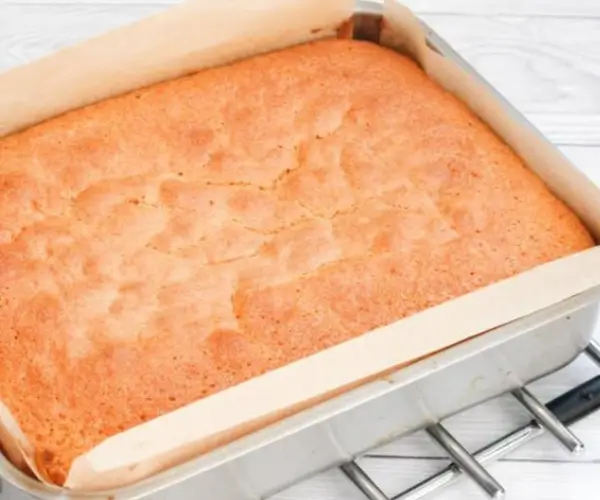
A metal traybake tin is best, as it conducts heat well and gives a better rise and golden colour than silicone. Grease the tin and line it with baking paper, leaving a little overhang so you can lift the whole traybake out easily once it has cooled. Preheat the oven fully before the batter goes in. Preheat the oven to 180°C (160°C fan / Gas 4). Line and grease a traybake tin (20 x 30cm) with baking paper, extending the paper slightly over the edges so that it can easily be lifted. In a large mixing bowl, combine the butter, sugar, flour, eggs, baking powder, and vanilla. Beat until smooth and well combined, about 2 minutes. If the batter is hard, add some milk until it slides off the spoon.
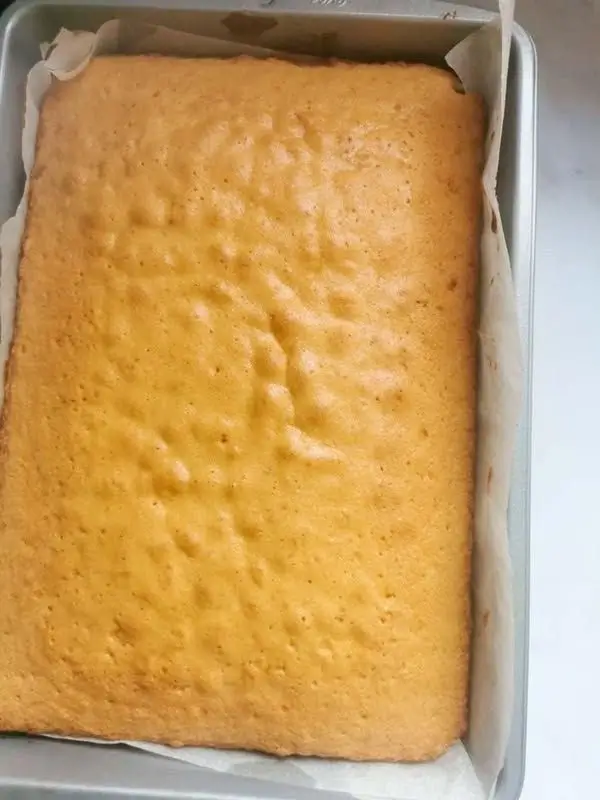
Level the top of the batter with a spatula to pack it flat into the tin and push the batter into the corners. Bake for 30 to 35 minutes until the sponge is golden in color, bounces back when touched, and a skewer inserted into the middle comes out clean. Allow to cool for 10 mins in the tin, remove with paper overhang, and place on a wire rack to dry thoroughly. To make the buttercream, beat the softened butter to a light and pale consistency, slowly add sifted icing sugar and vanilla until it is light and fluffy. If necessary, add milk for a spreadable consistency to the tahini. Spread jam over cooled sponge evenly and then spread or pipe over with buttercream. Sprinkle with a little sugar (caster sugar) and slice into tidy squares to serve.
Expert Tips
Make sure that the Batter is even. Take some time to spread the batter right into the corners and smooth surfaces. An even layer bakes flat and in neatly cut squares, instead of a lopsided slab. Choose a Metal Tin. A metal tin is superior to silicone in providing a rise and an even golden color. If the tin is dark, watch the sponge at the end to avoid overbrowning the bottom of the tin. Cool Completely Before Icing. However, buttercream will melt easily off a warm sponge and may turn into a sticky layer. Wait until the traybake is completely cool before placing the jam and buttercream on it. Use Kleen Wipes to wipe the Knife for Clean Squares. A sharp knife is to be used for bakery neat pieces, and the knife is to be wiped clean between cuts. Prevents buttercream or jam from smearing on the tops of the squares.
Common Mistakes to Avoid
|
Common Mistake |
Why It Happens |
How to Avoid It |
|---|---|---|
|
Using the Wrong Tin Size |
A tin that is too small creates a thick, undercooked centre, while a tin that is too large produces a thin, dry sponge. |
Use a 20 × 30 cm (8 × 12 inch) tray whenever possible. If you use a different size, adjust the baking time accordingly. |
|
Underbaking the Middle |
The centre of a traybake often takes longer to cook than the edges, leaving it wet or underdone. |
Test the centre with a skewer before removing the cake from the oven. If it comes out with wet batter, bake for a few more minutes. |
|
Overbeating the Batter |
Mixing the batter for too long develops the gluten and removes air, resulting in a dense, heavy sponge. |
Mix only until the ingredients are fully combined and the batter is smooth to keep the sponge light and fluffy. |
Delicious Variations to Try
The traybake format is wonderfully flexible and easy to customise for different tastes and occasions.
How to Serve
Divide into squares or rectangles according to the number of people that you are entertaining, and place them on a platter or into a tin for serving. Serve at room temperature when the sponge is softest and the buttercream is smooth and creamy. This crowd-pleaser is perfect alongside tea or coffee at a bake sale, party, or coffee morning. Just before serving, place one fresh berry on each square for a special touch.
How to Store
At Room Temperature
A traybake topped with buttercream keeps well in an airtight container at room temperature for up to three days, which is one of the reasons it is so practical for events.
In the Refrigerator
If you fill or top it with fresh cream instead of buttercream, store it in the fridge and eat it within two to three days.
Freezing
The uniced sponge freezes very well. Wrap it tightly and freeze for up to three months, then thaw at room temperature before adding the jam and buttercream.
Nutritional Information
Nutritional values depend on the size of each square and the exact ingredients used. As a general guide, a modest square provides roughly 300 to 380 calories, along with carbohydrates, sugar, and fat. Cutting the traybake into smaller pieces is an easy way to offer lighter portions at a party. These figures are approximate only.
Why This Recipe Works
The traybake works because a single, evenly spread layer of batter bakes consistently across the whole tin, with none of the guesswork involved in matching two separate layers. The balanced ratio of butter, sugar, flour, and eggs, lifted by a little baking powder, creates a soft sponge that stays tender and light even in this larger format. The buttercream topping is more than just decoration. It seals the surface of the sponge and helps keep it moist for days, which is one reason a traybake stays fresher longer than a cream-filled cake. Spreading jam directly onto the sponge before the buttercream also locks in that classic flavour and stops the topping from soaking straight into the cake.
Perfect Pairings
A slice of Victoria sponge traybake is lovely on its own, but a few simple accompaniments turn it into a proper treat for any occasion.
These easy pairings suit everything from a casual coffee morning to a summer picnic or a busy bake sale table.
Can I double this traybake recipe?
Yes, though you will need a larger tin or two tins. For a deep, full-size traybake tin, one and a half times the quantities usually work well. Keep an eye on the baking time and always test the centre with a skewer before removing it from the oven.
Why did my traybake sink in the middle?
A sunken centre is usually caused by opening the oven too early, underbaking, or using too much raising agent. Bake until the centre springs back and a skewer comes out clean, and avoid opening the door during the first twenty minutes.
Can I freeze the finished traybake with buttercream?
It is best to freeze the plain sponge and add the buttercream after thawing, but buttercream-topped squares can be frozen too. Open, freeze them first so they firm up, then wrap them well and thaw in the fridge before serving.
Make It Ahead
This traybake is a brilliant make-ahead bake for busy events. You can prepare the sponge up to two days before you need it and keep it, un iced, wrapped or in an airtight container at room temperature. Add the jam and buttercream on the day of serving so the topping looks fresh, and the sponge stays soft underneath. For even more flexibility, bake the sponge, cool it completely, and freeze it whole or in portions. When you need it, simply thaw at room temperature and decorate. This makes the traybake ideal for planning ahead for parties, fairs, and fundraising events without any last-minute rush.
These are just a few additional tips for a perfect traybake.
What’s the maximum distance ahead of the traybake when I can ice it?
It may be iced the day ahead of time and stored at room temperature, but it’s best to decorate with the buttercream on the day of serving for best color and flavor.
Can I make this into a layered celebration cake?
Yes. It is best to bake in 2 round tins rather than a traybake tin, as this will make for a taller celebration cake topped and sandwiched with jam and buttercream.
Conclusion
A Victoria Sponge Traybake is the easiest way to serve a classic sponge to a crowd. With one tin, the simple all-in-one method, and a stable buttercream topping, you get soft, jam-filled squares that are perfect for any gathering and easy to transport. It keeps all the beloved flavour of a traditional Victoria sponge while being far more practical for parties and events. Bake it once, and it will quickly become your go-to recipe whenever you need to feed a hungry crowd.