Victoria Sponge with Buttercream, Rich and Sturdy Classic
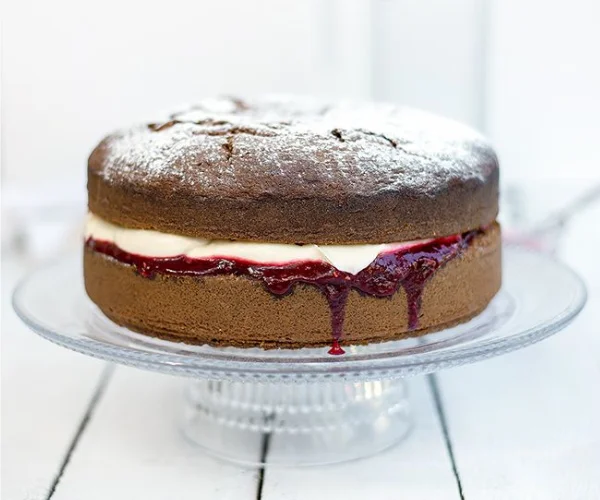
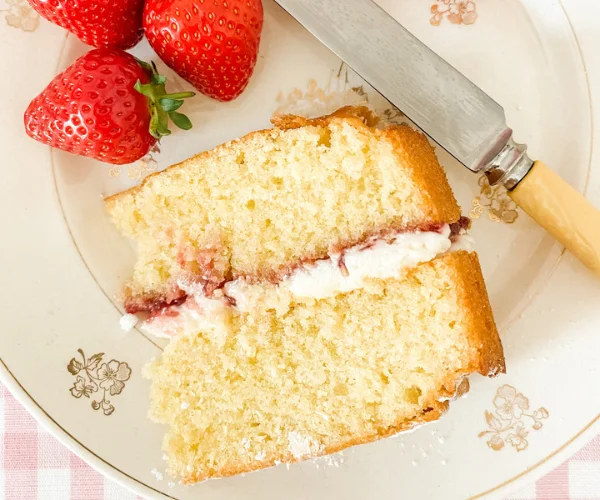
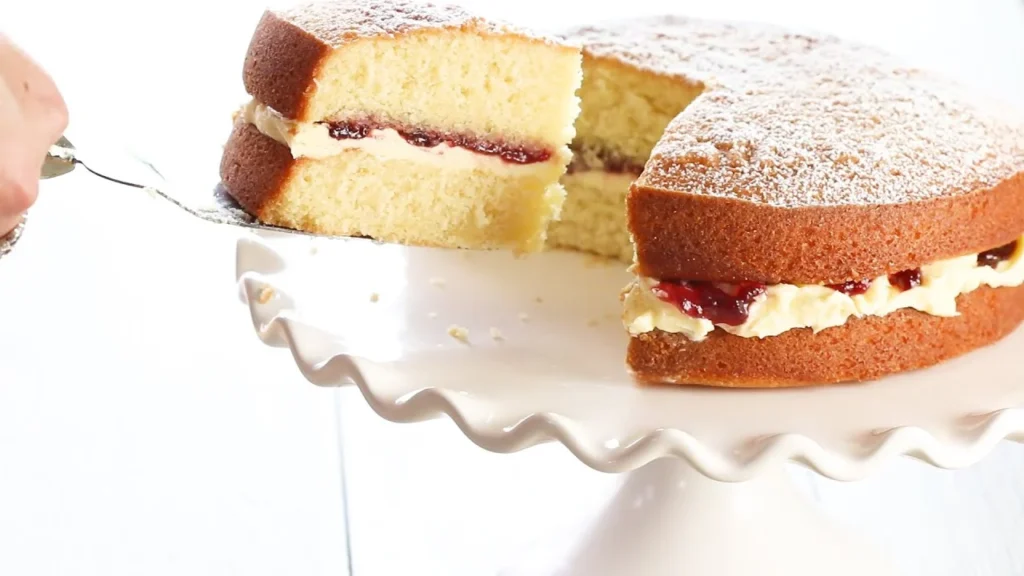
A Victoria Sponge with Buttercream is a slightly richer, sturdier take on the traditional cake. Instead of fresh whipped cream, the soft sponge layers are filled with smooth vanilla buttercream and a layer of fruity jam, giving a filling that is indulgent, stable, and long-lasting. It is the ideal version for warm days, for transporting to events, or whenever you want a cake that holds beautifully. Buttercream brings its own advantages. It is firmer than cream, so the cake slices cleanly and keeps its shape, and it lasts far longer at room temperature without needing the fridge. This makes a buttercream Victoria sponge perfect for bake sales, parties and birthdays, where the cake may need to sit out for a while. The sponge itself is made the classic way, light and buttery, so the only real change is a filling that is a little more decadent and dependable. With a good vanilla buttercream, every slice is soft, sweet, and satisfying. Below you will find the full ingredients, a step-by-step method for both the sponge and the buttercream, expert tips, variations, storage advice, and answers to common questions.
Why Choose Buttercream Instead of Cream?
Fresh cream gives a light, delicate filling, but buttercream has real practical benefits. It is stable at room temperature, so the cake does not need refrigerating and will not wilt in a warm room. It also holds its shape when sliced, giving neat, tidy portions, and it lasts for several days rather than just one or two. Buttercream is also more versatile for decorating, as it can be piped and swirled, and it can be flavoured in endless ways. For a cake that needs to travel, sit on a buffet table, or simply last a little longer, buttercream is the perfect choice.
Why You’ll Love This Recipe
This sturdy, indulgent version of the classic has plenty to offer.
If you love the idea of a Victoria sponge but want something a little more robust and long-lasting, this buttercream version is the answer.
Ingredients You Will Need
For the Sponge
For the Vanilla Buttercream
For the Filling and Finish
Key Ingredient Notes
For the buttercream, use fully softened butter, so it whips up pale, light and smooth. Cold butter will stay lumpy and refuse to become fluffy, which is the most common buttercream problem. Icing sugar is essential for buttercream, as its fine powdery texture dissolves into the butter without any grittiness. Always sift it first to remove lumps for a silky smooth finish.
A little milk loosens the buttercream to a soft, spreadable, and pipeable consistency. Add it gradually, a teaspoon at a time, until you reach the texture you want. A good fruity jam spread alongside the buttercream keeps that classic sweet and tangy Victoria sponge flavour, balancing the richness of the buttercream beautifully.
Equipment You Will Need
An electric mixer makes light work of both the sponge and the buttercream. A sieve is useful for lump-free icing sugar, and a palette knife or piping bag gives a neat finish. Grease and line the tins, and preheat the oven fully before baking.
How to Make Victoria Sponge with Buttercream
- Preheat the oven to 180C, or 160C fan. Oil 2 x 20cm sandwich tins and line with baking paper.
- Mix the butter, sugar, flour, eggs, baking powder, and vanilla together for about 2 minutes.
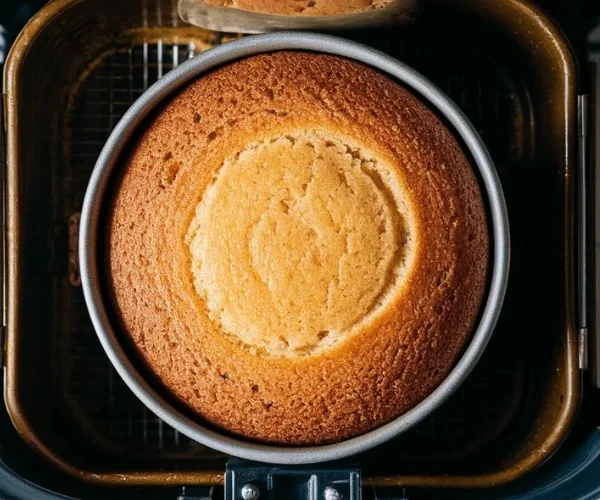
- Divide among the tins, level off the tops, and bake until golden and springy, and a skewer is inserted cleanly (about 25 minutes).
- Cool in the tins for 5 minutes, then turn out on a wire rack to cool completely.
- To make the buttercream, beat softened butter until light, and slowly beat in icing sugar and vanilla. Stir in milk, adding a little at a time until light and spreadable.
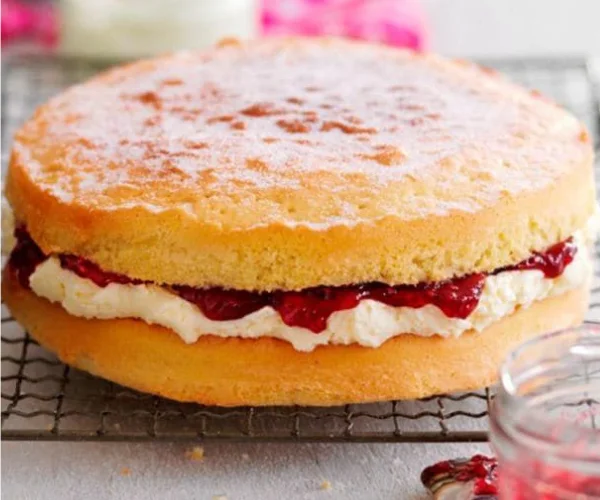
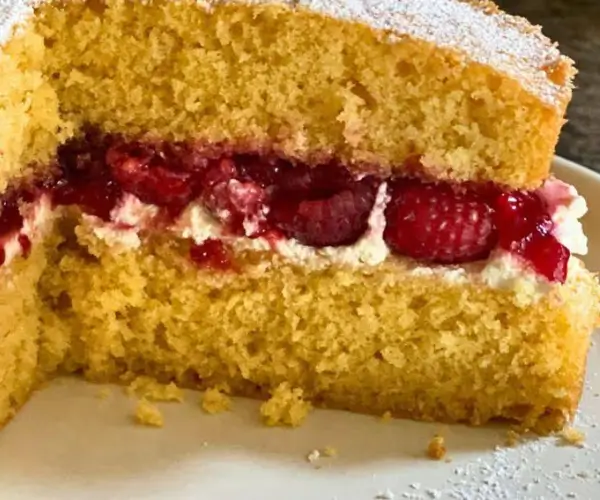
- Arrange the jam on one sponge and then spread or pipe the buttercream on top of the jam.
- Spoon on the second sponge, sprinkle with icing sugar and serve.
Expert Tips
Beat the Butter Until Pale
Beat the softened butter on its own first until it turns pale and creamy. This creates a light base for the buttercream before you add the icing sugar.
Sift the Icing Sugar
Always sift the icing sugar to avoid lumps in the finished buttercream. Add it gradually and beat well between additions for a silky texture.
Adjust with Milk
Add milk a teaspoon at a time to reach a soft, spreadable consistency. Too much makes the buttercream runny, so go slowly.
Cool the Sponge Completely
Buttercream will melt on a warm sponge, so make sure the layers are completely cool before filling.
Common Mistakes to Avoid
|
Mistake |
Why It’s a Problem |
How to Avoid It |
|---|---|---|
|
Using Cold Butter for the Buttercream |
Cold butter stays lumpy and won’t whip into a smooth, creamy frosting. |
Let the butter soften at room temperature before mixing. |
|
Adding Icing Sugar Too Fast |
Pouring in all the icing sugar at once creates dust and can leave lumps. |
Add the icing sugar gradually, mixing well after each addition. |
|
Overfilling the Cake |
Too much buttercream can squeeze out from the sides when the cake is assembled. |
Spread an even layer of buttercream that reaches the edges without overflowing. |
Delicious Variations to Try
Buttercream is wonderfully easy to flavour and adapt.
Why This Recipe Works
Buttercream works so well here because the high proportion of butter and icing sugar makes it firm and stable, holding the layers neatly together and keeping the cake fresh for days. It gives a richer, more indulgent filling than cream while being far more practical.
Perfect Pairings
This rich, sturdy cake pairs well with simple, classic accompaniments.
These pairings keep each slice feeling balanced and make the cake ideal for parties and celebrations.
How to Serve
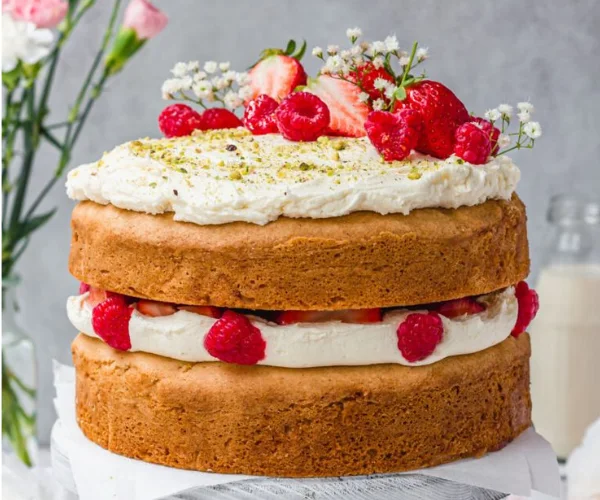
Serve this cake at room temperature so the buttercream is soft and smooth. Because buttercream is stable, the cake can sit out on a table for hours without spoiling, which makes it perfect for buffets and parties. Slice with a sharp knife, wiping between cuts for neat portions. It is a great choice for birthdays and bake sales, and it travels well thanks to its sturdy filling. Decorate the top with piped buttercream and berries for a celebration finish.
How to Store
At Room Temperature
A buttercream Victoria sponge keeps in an airtight container at room temperature for up to three days, which is one of its main advantages over a cream-filled cake.
In the Refrigerator
You can refrigerate it in warm weather, but bring it back to room temperature before serving so the buttercream softens.
Freezing
The plain sponge layers freeze well for up to three months. Buttercream also freezes, so you can prepare both ahead and assemble later.
Make It Ahead
This cake is ideal for making ahead. The sponge layers can be baked a day or two in advance, and the buttercream can be made ahead and kept in the fridge. Bring the buttercream back to room temperature and beat it briefly before spreading. Because buttercream lasts longer than cream, the finished cake can be assembled a day before an event and still look and taste fresh, which takes the pressure off on the day itself.
Extra Tips for Perfect Buttercream
A few final habits give you smooth, professional buttercream.
With these steps, your buttercream will be silky, stable, and beautiful every time.
Nutritional Information
Nutritional values vary with ingredients and slice size. As a rough guide, a slice provides around 420 to 500 calories, along with carbohydrates, sugar, and fat, as buttercream is richer than cream. These figures are approximate and for guidance only.
Decorating with Buttercream
One of the great advantages of buttercream is how easily it can be piped and shaped, which makes this version ideal for decorating. Fit a piping bag with a star nozzle and pipe neat swirls or rosettes across the top of the cake for an impressive celebration finish. You can also colour the buttercream with a little gel food colouring, or scatter the piped top with fresh berries, sprinkles or a dusting of icing sugar. This flexibility means the same simple cake can be dressed up beautifully for birthdays and special occasions.
How much buttercream do I need to cover a whole cake?
To fill and cover the top and sides of a 20cm cake, roughly double the buttercream quantity in this recipe, using around 350g butter and 700g icing sugar.
Can I make buttercream in advance?
Yes. Buttercream keeps in an airtight container in the fridge for up to a week. Bring it to room temperature and beat it briefly before using.
Why is my buttercream grainy?
Grainy buttercream usually means the icing sugar was not sifted or not beaten long enough. Sift the sugar and beat well until smooth and silky.
Can I use a sugar substitute?
For the smoothest result, use proper icing sugar. Granulated or caster sugar will not dissolve fully and will leave a gritty buttercream.
How do I make chocolate buttercream?
Beat in around 50g of sifted cocoa powder along with the icing sugar, adding a little extra milk to keep it smooth and spreadable.
Can I freeze a buttercream cake?
Yes. A buttercream Victoria sponge freezes well. Open freeze it first so the buttercream firms up, then wrap it and thaw it in the fridge before serving.
Conclusion
Victoria Sponge Cake with Buttercream is indeed a fancy and durable option compared to the beloved classic version. This amazing cake features delicious buttercream and jam between the layers of sponges; it is both tasty and durable, perfect for parties and warm days. It contains all the qualities of the traditional Victoria sponge, but also offers a filling that is not prone to deformation and will last longer. For such cases as bake sales, this buttercream version of the cake is strongly recommended.