Delia Smith Victoria Sponge Recipe, Classic and Foolproof
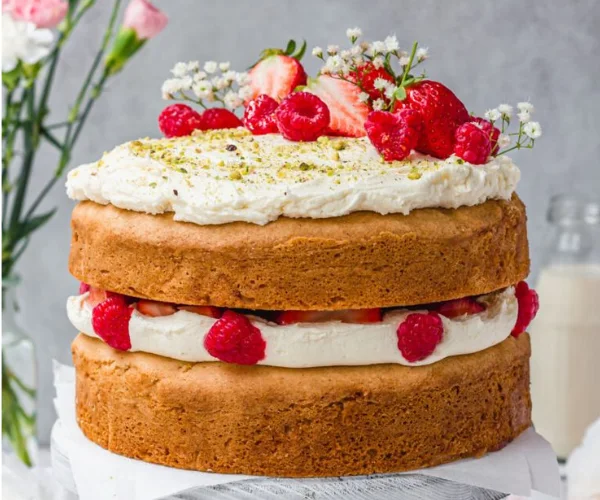
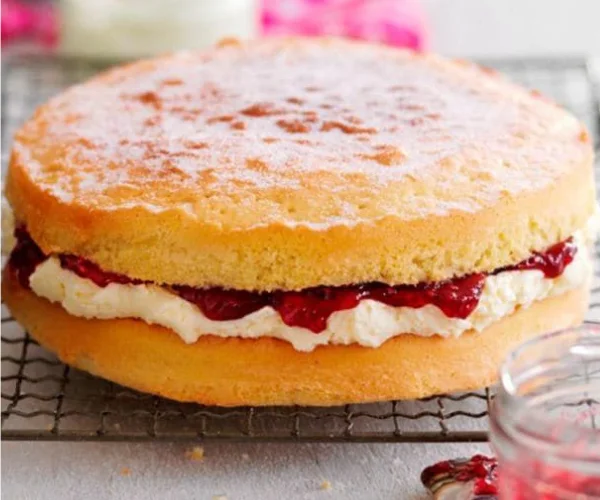
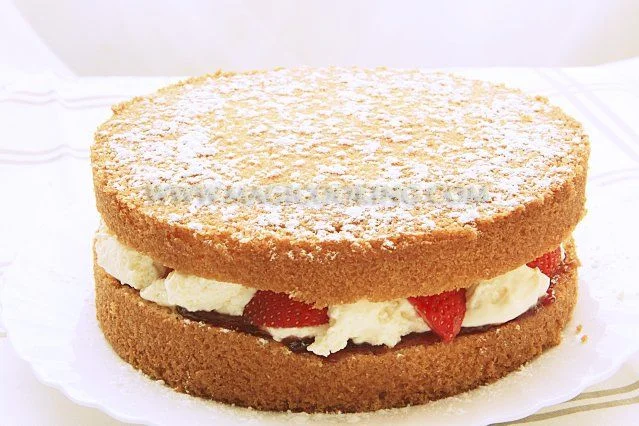
This Delia Smith Victoria Sponge Recipe is a great example of the best British baking has to offer. Following in the footsteps of the trusted, no-fuss Delia, this classic sponge is made with a simple method to create two light and golden layers, which are filled with jam and cream. It’s a recipe that’s easy to follow and delicious, no matter if you’re a beginner or an expert. Delia’s reputation was established through her clear and precise directions, and that emphasis is carried through in this recipe. No tricks, no guesswork, just perfectly balanced ingredients and an easy, foolproof technique that will yield a soft, even crumb every time. This sponge will be ideal for after tea, birthdays, family celebrations, and much more, and will look stylish when simply sprinkled with sugar on top. It’s about the beauty of things being just right, as classic British baking – yes, it is – is all about. This guide will reveal all the ingredients, the all-in-one method, step by step, and expert tips to ensure an ideal rise, as well as answers to the most common baking questions to help the Victoria sponge succeed the first time!
About This Classic Sponge
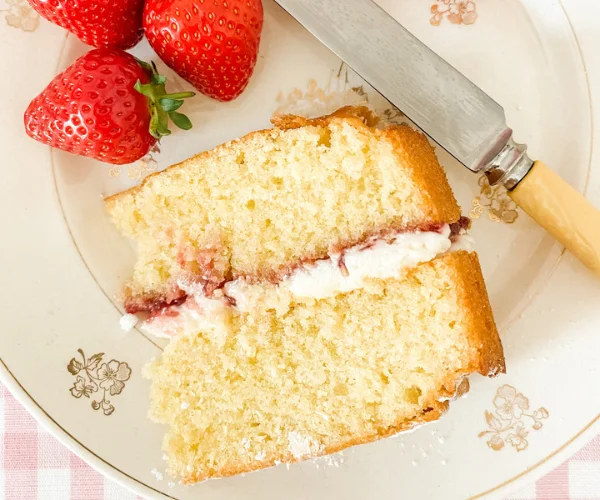
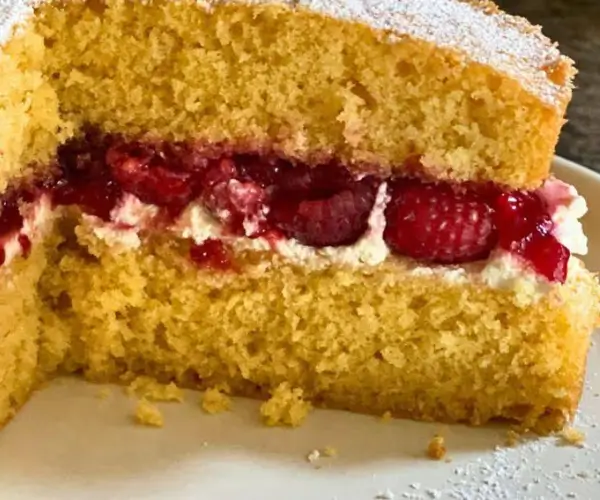
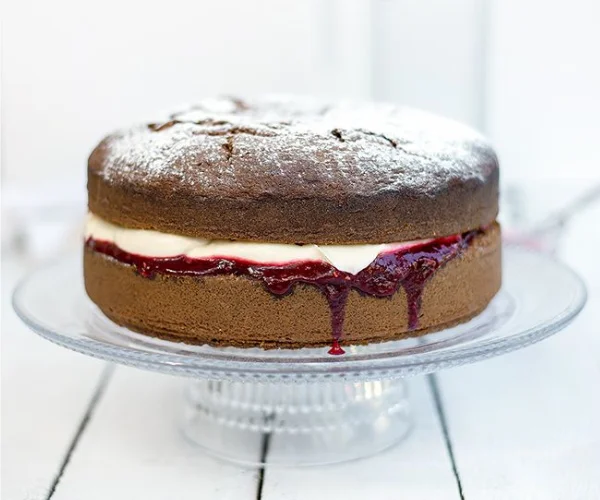
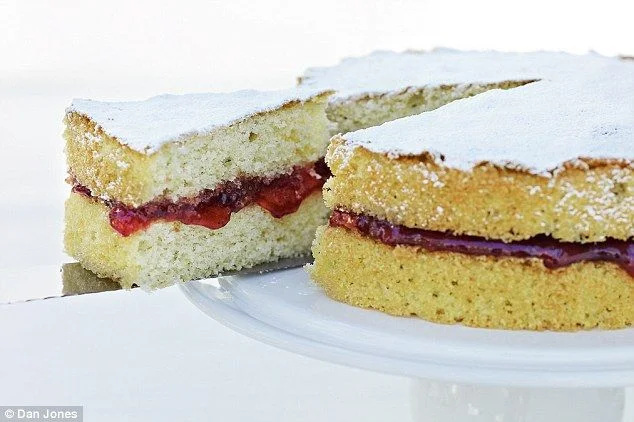
A Victoria sponge in the Delia Smith tradition is a Victoria sandwich made from two equal layers of light sponge. It uses matching quantities of butter, sugar, self-raising flour and eggs, with a little baking powder to guarantee a good rise. The layers are sandwiched with jam and cream and finished simply with a dusting of caster or icing sugar. What sets this style apart is the emphasis on accuracy and simplicity. By weighing everything carefully and following the method closely, you remove the common causes of failure and end up with a sponge that is soft, level, and beautifully risen. It is baking made approachable, which is exactly why this style has been loved for so long.
Why You’ll Love This Recipe
This dependable sponge has earned its place as a family favourite for good reason.
If you want a recipe you can trust completely, this is the one. It delivers a classic, crowd-pleasing cake with the minimum of fuss and the maximum of flavour.
Ingredients You Will Need
For the Sponge
For the Filling
Key Ingredient Notes
Softened butter is essential for the all-in-one method, as it needs to blend smoothly with the other ingredients in one go. Take it out of the fridge well ahead of time, or use a soft baking spread that mixes easily straight from the cold. Caster sugar dissolves quickly and evenly, which helps create a smooth batter and a fine, tender crumb. Its texture is far better suited to sponge cakes than coarser granulated sugar.
Self-raising flour provides the built-in lift, and the extra baking powder guarantees a light, high sponge. If you only have plain flour, add around two teaspoons of baking powder for every 225g of flour to achieve the same effect. Room-temperature eggs bind the mixture and add moisture and structure. Cold eggs can cause the batter to curdle, so let them come up to room temperature before you begin for the smoothest possible mixture.
Equipment You Will Need
This recipe needs only basic equipment. Grease both tins and line the bases with baking paper so the sponges turn out cleanly, and always preheat the oven fully before mixing so the cakes rise evenly from the moment they go in.
How to Make the Sponge Step by Step
- Preheat the oven to 180C, or 160C fan. Take two 20cm sandwich tins and line the bottom with baking paper, then grease them.
- Put the butter, sugar, flour, eggs, baking powder, and vanilla into a large bowl. Mix all of the above on an electric mixer until smooth and well combined (approximately 2 minutes).
- Divide the mixture equally between the two tins; if possible, weigh them out for even layers and level the tops.
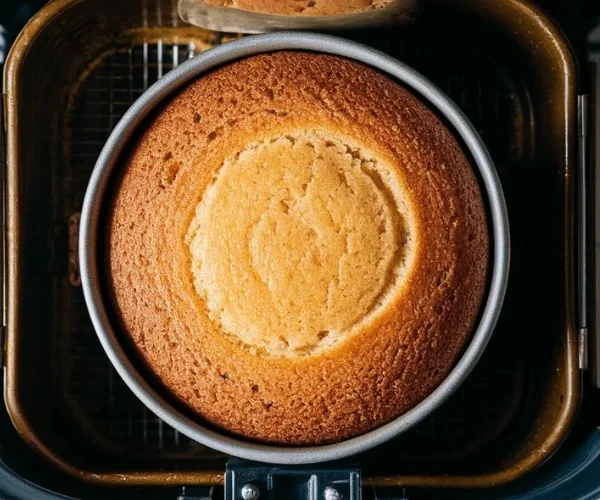
- Wait until the sponges are golden brown, puffy, and spring back when you touch them, and have a skewer inserted into them that comes out clean, then bake for about 25 minutes.
- Leave in the tins for five minutes, then turn out onto a wire rack and peel off the paper. Cool completely.
- 6. Apply the jam to one of the sponges and spread the cream over the top of the jam, which has been whipped softly.
- Top with second sponge, sprinkle with sugar, and serve.
Expert Tips
Weigh Everything Precisely
Accuracy is the heart of this style of baking. Use kitchen scales rather than cups so the balanced quantities work exactly as intended, giving a reliable rise and a tender crumb.
Use Room Temperature Ingredients
Butter and eggs at room temperature blend far more smoothly and trap more air. This is one of the simplest ways to guarantee a light sponge.
Do Not Overbeat
Beat only until the mixture is smooth, which takes about two minutes. Overbeating knocks out the air and develops the flour, leaving a heavy, dense cake instead of a light one.
Keep the Oven Door Closed
Avoid opening the oven during the first twenty minutes. A sudden drop in temperature can cause the delicate sponge to sink in the middle.
Common Mistakes to Avoid
|
Common Mistake |
Why It Happens |
How to Avoid It |
|---|---|---|
|
Opening the Oven Too Early |
Opening the oven door before the sponge has set can cause the cakes to lose heat and sink in the centre. |
Keep the oven door closed until the cakes are nearly baked, then check for doneness with a skewer. |
|
Using Cold, Hard Butter |
Cold butter does not cream properly with the sugar, leaving lumps and creating a dense, uneven batter. |
Use butter that has softened to room temperature before mixing the ingredients. |
|
Overbaking |
Baking the cakes for too long removes moisture, resulting in a dry sponge. |
Start checking a few minutes before the recommended baking time and use the skewer test to determine when the cakes are ready. |
Delicious Variations to Try
This classic base takes beautifully to a few simple twists.
Why This Recipe Works
The all-in-one method works because the extra baking powder does the job that careful creaming would normally do, aerating the batter so it rises light and even. This makes the recipe both quick and remarkably reliable, which is the whole point of this trusted style of baking. Equal quantities of the four main ingredients create a naturally balanced batter, so as long as you weigh accurately and avoid overbeating, the result is consistent every time. It is a recipe built around removing the common causes of failure.
Perfect Pairings
This elegant sponge is at its best with a few classic accompaniments.
These simple pairings turn a slice of sponge into a proper afternoon tea treat.
How to Serve
Serve the sponge at room temperature so the crumb is soft, and the cream is at its best. If it has been chilled, let it stand for twenty to thirty minutes first. Cut clean, even slices with a sharp knife, wiping the blade between cuts for a neat finish. It makes a lovely centrepiece for afternoon tea and pairs beautifully with a fresh pot of tea. A few berries on the side make it feel extra special for celebrations.
How to Store
At Room Temperature
A jam-only sponge keeps in an airtight container at room temperature for up to two days.
In the Refrigerator
Once filled with fresh cream, store the cake in the fridge and eat within two to three days.
Freezing
The unfilled sponge layers freeze well for up to three months. Wrap tightly and thaw at room temperature before filling.
Make It Ahead
This is a great cake to prepare in stages. Bake the sponge layers a day in advance and keep them, unfilled, in an airtight container to stay fresh. Whip the cream and assemble the cake shortly before serving so the filling looks and tastes its best. For longer-term planning, the plain layers freeze beautifully. Simply thaw and fill on the day, which makes this recipe ideal when you are preparing for a party or a busy weekend.
Extra Tips for the Perfect Sponge
A few final habits help guarantee a flawless result.
With these small steps, your sponge will look as good as it tastes every single time.
Nutritional Information
Nutritional values vary with ingredients and slice size. As a rough guide, a slice provides around 350 to 420 calories, along with carbohydrates, sugar, and fat. Using a little less cream will lower the count slightly. These figures are approximate and for guidance only.
Serving Ideas for Every Occasion
One of the joys of this classic sponge is how well it suits almost any gathering. For a traditional afternoon tea, serve it on a pretty stand alongside finger sandwiches and scones. For a birthday, add candles and a scattering of fresh berries on top for a simple yet celebratory finish that never fails to please. It also makes a lovely gift. Baked fresh and boxed carefully, a homemade Victoria sponge is a thoughtful present for a neighbour, a new parent or anyone who could use a little kindness. Its timeless appeal means it is always warmly received, whatever the occasion.
Can I use plain flour instead of self-raising?
Yes. Use plain flour and add around two teaspoons of baking powder for every 225g of flour to give the same lift as self-raising flour.
What is the best jam to use?
A good quality strawberry or raspberry jam is traditional. Choose a seed jam with plenty of fruit, so it stays neatly between the layers and adds a lovely tang.
Why is my sponge pale on top?
A pale top usually means the oven was a little cool or the cake sat on too low a shelf. Bake in the centre of a fully preheated oven for an even golden colour.
Can I use both jam and lemon curd as a filling?
Yes. A thin layer of each adds extra flavour, though keep them modest so the filling does not become too sweet or too wet.
Conclusion
The Delia Smith Victoria Sponge Recipe is a shining example of how simple, careful baking produces the best results. With the trusted all-in-one method and a focus on accuracy, you can bake a light, golden sponge that turns out perfectly every time. It is the ideal recipe for anyone who wants a dependable classic they can return to again and again. Once you have mastered it, this sponge will become a firm favourite for every occasion.