Vegan Victoria Sponge Recipe, Egg-Free and Dairy-Free
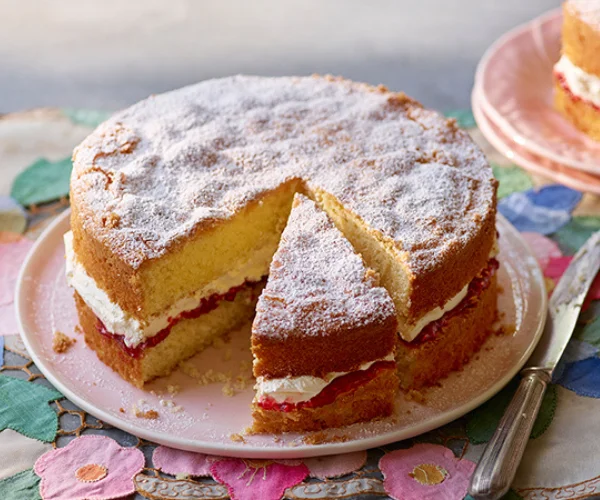
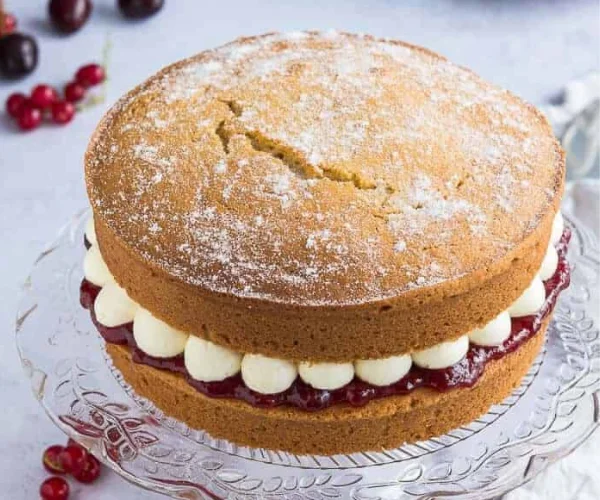
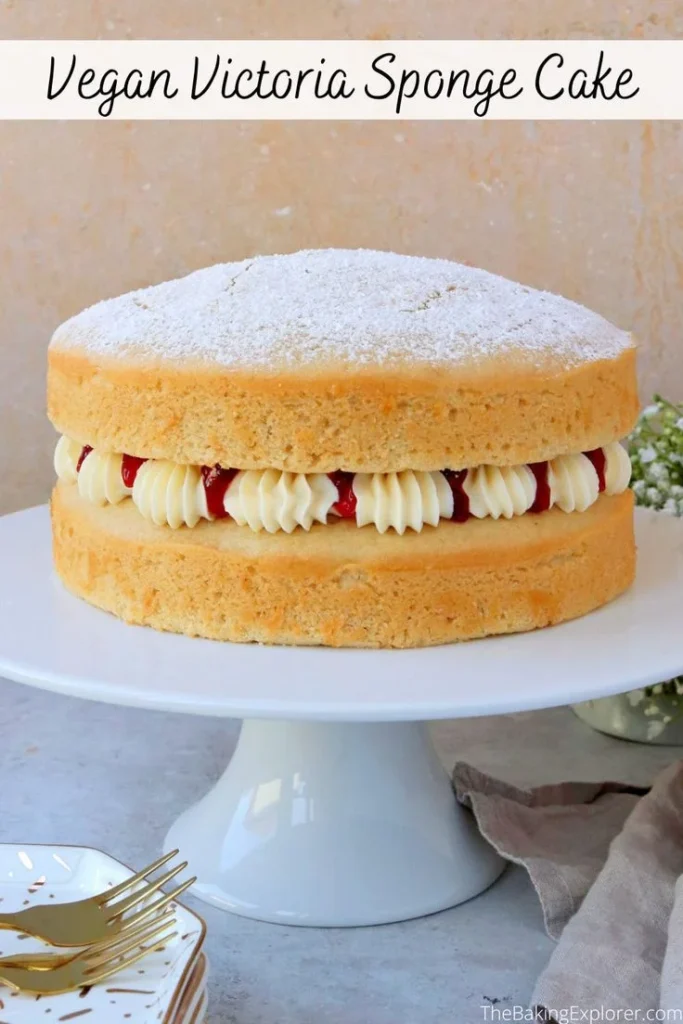
This Vegan Victoria Sponge Recipe is a perfect copy of the traditional British cake, minus the eggs and dairy. It is baked into light and moist sponge layers with jam and vegan cream or vegan buttercream and finished with a sprinkle of icing sugar, using a clever vegan buttermilk and plant-based ingredients. This egg-free baking with eggs free recipe is easy and guaranteed! Being a blend of plant milk, a small amount of acid, and self-raising flour, it has a nice rise and a tender crumb every time! Ideal for vegan, egg-free, or dairy-free diets, or for bakers who need to provide cakes for a party with a variety of dietary requirements. It’s all about the vegan buttermilk, which is curdled plant milk with a bit of lemon or vinegar juice. This combines with the raising agents to provide lift and lightness to the sponge, similar to how eggs would. The crumb is kept moist by the oil, allowing the cake to remain soft for days. This will show you all the ingredients, a simple step-by-step process, some helpful tips for a light and evenly baked vegan sponge, variations, how to store it, and answers to some commonly asked questions.
Why You’ll Love This Recipe
This plant-based sponge is proof that vegan baking can be just as light and delicious as the classic.
Whether you follow a vegan diet, bake for allergies, or simply want a reliable dairy-free cake for guests, this recipe gives you a beautiful Victoria sponge that no one will guess is plant-based.
Ingredients You Will Need
For the Vegan Sponge
For the Filling
Key Ingredient Notes
Plant milk is the base of the vegan buttermilk. Soya and oat milk work best because they are higher in protein and fat, which help the sponge rise well and stay moist. Thin, watery rice milk is best avoided as it does not curdle or enrich the batter in the same way. Lemon juice or cider vinegar is stirred into the plant milk to curdle it into a vegan buttermilk. This mild acid reacts with the bicarbonate of soda and baking powder to give the sponge its lift, taking the place of eggs in a traditional recipe.
Oil replaces butter here to keep the crumb wonderfully moist and soft, even a day or two after baking. Use a mild-flavoured oil such as vegetable or sunflower oil so it does not overpower the vanilla and jam. For the filling, use a good vegan whipped cream or a firm vegan buttercream made with a baking-suitable plant butter. Along with a fruity jam, this recreates the classic Victoria sponge combination perfectly.
Equipment You Will Need
This recipe needs only basic equipment and no mixer, as the batter is simply whisked together. Grease and line your tins first, and make sure the oven is fully preheated so the raising agents work at their best the moment the batter goes in.
How to Make Vegan Victoria Sponge
- Preheat the oven to 180°C (160°C fan / Gas 4). Line 2 sandwich tins, 20cm, with baking paper and grease the tins.
- Add the lemon juice or cider vinegar to the plant milk and let it sit for about 5 minutes, creating a vegan buttermilk. It will slightly thicken and curdle.
- In a large bowl, whisk until the self-raising flour, caster sugar, baking powder and bicarbonate of soda are evenly mixed.
- Add vegan buttermilk, oil, and vanilla to dry ingredients and whisk to just smooth. Do not overmix.
- Divide batter evenly into the tins and bake for 25-28 minutes until risen and a skewer inserted in the centre comes out clean.
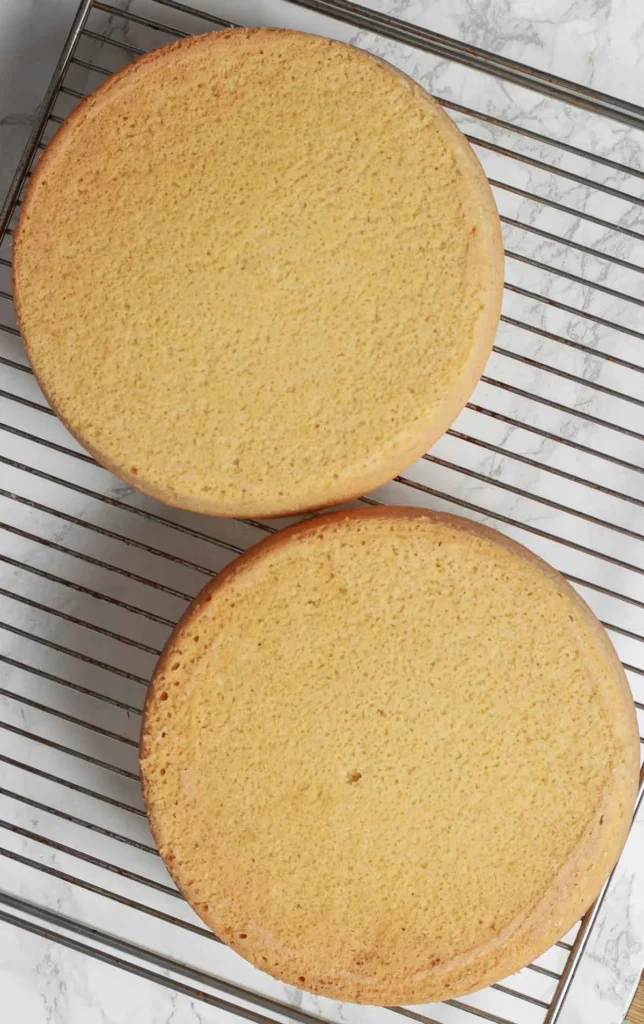
- Cool in the tins for about 10 minutes, then turn out onto a wire rack and cool completely.
- Top with vegan cream or buttercream, icing sugar, and second sponge, and serve.
Expert Tips
Use Soya or Oat Milk
These plant milks curdle best to make vegan buttermilk and are rich enough to give a moist, well-risen sponge. Avoid thin rice milk, which does not perform as well.
Do Not Overmix
Once the wet and dry ingredients are combined, stop whisking. Overmixing develops the flour and makes the sponge tough and dense instead of light and tender.
Bake Straight Away
Get the batter into the oven as soon as it is mixed, so the bicarbonate of soda and baking powder are still active and give the best possible rise.
Choose the Right Vegan Butter
For buttercream, use a firm, baking-suitable plant butter rather than a soft, low-fat spread, which contains too much water and will not whip up properly.
Common Mistakes to Avoid
|
Common Mistake |
Why It Happens |
How to Avoid It |
|---|---|---|
|
Using Watery Plant Milk |
Thin plant milks, such as rice milk, do not curdle well and provide less richness, resulting in a flat, dry sponge. |
Use soya milk or oat milk, which creates a better texture and works well with the vinegar or lemon juice in vegan baking. |
|
Overmixing the Batter |
Mixing the batter for too long removes trapped air and can produce a dense, heavy sponge. |
Whisk only until the ingredients are just combined, and the batter is smooth. |
|
Letting the Batter Sit Too Long |
Leaving the batter standing before baking reduces the effectiveness of the raising agents, leading to a sponge that doesn’t rise properly. |
Prepare the tins in advance and bake the batter immediately after mixing for the best rise and texture. |
Delicious Variations to Try
This vegan base is endlessly adaptable for different flavours and needs.
How to Serve
Serve this vegan sponge at room temperature so the crumb is soft and the filling is creamy. Cut into neat slices with a sharp knife, and it will look and taste just like a traditional Victoria sponge, making it perfect for sharing with vegans and non-vegans alike. It is lovely for afternoon tea, birthdays and gatherings, and it means everyone at the table can enjoy the same cake. Pair it with tea or coffee and a few fresh berries for a beautiful, inclusive spread.
How to Store
In the Refrigerator
If using vegan cream, store the cake in an airtight container in the fridge and eat within two to three days.
At Room Temperature
A version filled with jam and vegan buttercream keeps at room temperature in an airtight container for up to two days.
Freezing
The plain vegan sponge layers freeze well for up to three months. Wrap them tightly and thaw at room temperature before filling.
Nutritional Information
Nutritional values vary with the ingredients and slice size. As a general guide, a slice provides around 330 to 410 calories, along with carbohydrates, sugar, and fat. Using less filling will reduce the count slightly. These figures are approximate and intended only as a guide.
Why This Recipe Works
The vegan buttermilk, made by curdling plant milk with a little acid, reacts with the bicarbonate of soda and baking powder to create tiny bubbles that lift the sponge, taking the place of eggs. This simple reaction is what gives the cake its light, airy rise without any animal products. Oil keeps the crumb soft and moist far longer than butter would, so a vegan sponge often stays fresh for several days. Because there are no eggs to set the structure, gentle mixing and prompt baking are what keep the texture tender rather than tough or rubbery.
Perfect Pairings
This vegan sponge is a wonderful centrepiece for an inclusive spread, and it pairs happily with plenty of plant-based accompaniments.
With these easy pairings, everyone at the table can enjoy the same cake, whether they follow a plant-based diet or not.
Can people tell that it is vegan?
No. With soya or oat milk and a good vegan butter, the sponge tastes just like a classic Victoria sponge, which makes it ideal for serving to vegans and non-vegans together without anyone noticing the difference.
What can I use instead of oil?
Melted vegan butter or a mild vegan margarine can replace the oil, although oil gives the moistest result. Avoid low-fat spreads, as they contain too much water and will affect the texture of the sponge.
Why did my vegan sponge not rise?
This usually means the raising agents were old, the batter sat for too long, or the plant milk did not curdle properly. Use fresh baking powder and bicarbonate of soda, and bake as soon as the batter is mixed.
Make It Ahead
This vegan sponge keeps well and is easy to prepare ahead. Because it is made with oil, the crumb stays moist for longer than a butter-based cake, so you can bake the layers a day in advance and store them in an airtight container without them drying out. The plain layers also freeze well for up to three months. Wrap them tightly and thaw at room temperature, then fill with vegan cream or buttercream and jam just before serving for a fresh, light finish.
Extra Tips for a Light Vegan Sponge
These simple habits help guarantee a soft, well-risen vegan cake.
Follow these tips, and no one will guess your Victoria sponge is completely plant-based.
Can I make this vegan and nut-free?
Yes. Use soya or oat milk rather than nut milk, and check that your vegan butter and cream are nut-free, to make the cake suitable for those with nut allergies.
Can I add fruit to the batter?
Yes. A handful of fresh or frozen berries folded gently through the batter adds lovely bursts of flavour, though it may make the sponge slightly more moist and dense.
Which jam works best in a vegan sponge?
Any good fruity jam works well, as most jams are naturally vegan. Strawberry and raspberry are the classic choices, giving that familiar sweet and tangy Victoria
Conclusion
This Vegan Victoria Sponge Recipe shows that a classic British cake can be completely plant-based and still light, moist, and delicious. With simple ingredients and an easy method, it is perfect for vegans, allergy-friendly baking, or sharing with everyone at the table. One bite and no one will guess it is egg- and dairy-free. It is a foolproof, inclusive cake that lets everyone enjoy a slice of a much-loved British favourite.